
NEWSN7UK 🇬🇧
Andy Burnham backs controversial asylum reforms as divisions emerge within Labour
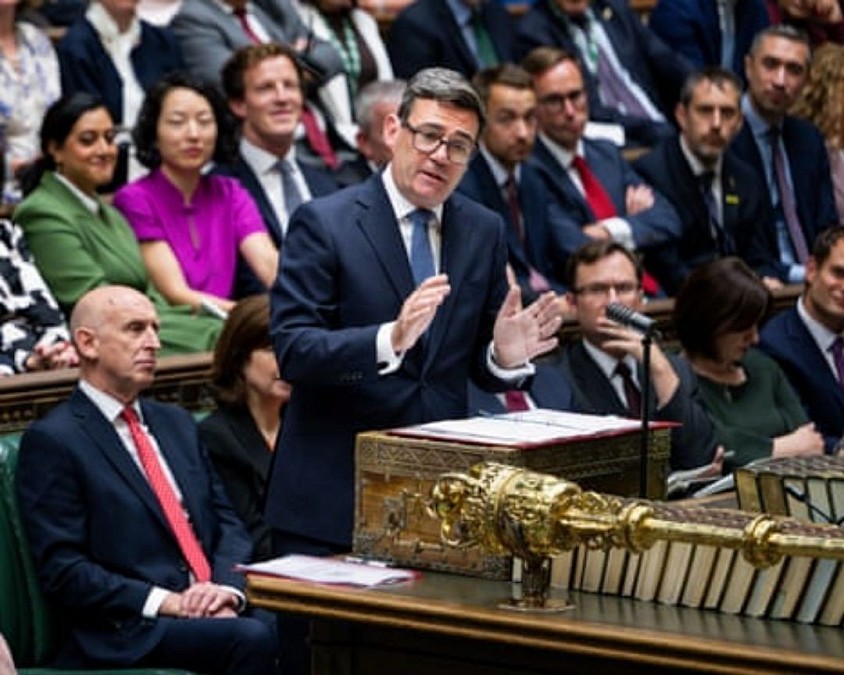
British Prime Minister Andy Burnham
UK POLITICS | IMMIGRATION BILL PASSES DESPITE LABOUR REBELLION
Andy Burnham backs controversial asylum reforms as divisions emerge within Labour
WESTMINSTER, UNITED KINGDOM | 13 July 2026
Andy Burnham has voted in favour of the government's controversial Immigration and Asylum Bill, supporting Home Secretary Shabana Mahmood's efforts to tighten immigration controls and reform the UK's asylum system.
The legislation passed its second reading in the House of Commons with a majority of 174. Burnham voted in favour alongside the government, while 14 Labour MPs opposed the bill, exposing divisions within the governing party over the direction of immigration policy.
What does the bill propose?
The government's reforms aim to reduce irregular Channel crossings, accelerate asylum decisions and establish a new appeals framework. The proposed Independent Immigration Appeals Authority would replace the existing system for handling immigration appeals, with the stated objective of resolving cases more quickly and reducing backlogs.
The bill also includes measures affecting refugee status, the use of human-rights arguments in deportation cases and financial contributions towards publicly funded accommodation and support for eligible asylum seekers who can afford to pay.
Mahmood has argued that immigration rules must be enforceable and that public confidence depends on a system capable of removing people who have no legal right to remain, while continuing to offer protection to those who genuinely need sanctuary.
Burnham's position
Burnham's support places him alongside the government's drive for stricter immigration enforcement. His broader approach has been described as seeking to combine lower numbers of small-boat arrivals with humanitarian commitments, including exploring arrangements for refugees to enter Britain through safe and legal routes.
His vote is politically significant because immigration remains a divisive issue for Labour, with some MPs questioning whether tougher restrictions will effectively reduce crossings or instead create additional administrative and humanitarian problems.
Opposition and concerns
The rebellion by 14 Labour MPs highlights concerns within the party about the legislation's potential consequences for asylum seekers and the balance between border enforcement, access to justice and Britain's humanitarian obligations.
Supporters argue that a faster, more effective appeals system could reduce delays and strengthen confidence in immigration controls. Critics question whether the proposed measures will deliver their stated objectives without undermining safeguards for vulnerable people.
The bill's passage at second reading does not mean that every provision has become law. It must continue through parliamentary scrutiny, during which MPs can examine its provisions and consider amendments.
What happens next?
The legislation's progress will test the government's ability to maintain party unity while pursuing its immigration agenda. It will also place renewed attention on Burnham's position as a senior Labour figure backing significant changes to asylum policy.
The central question is whether the reforms can reduce irregular migration while preserving fair procedures and meaningful protection for people fleeing persecution.
NEWSN7UK 🇬🇧 | Breaking stories. United voices.
Burnham Pledges to Protect Farage as Calls Grow for Unity and Greater Political Safety
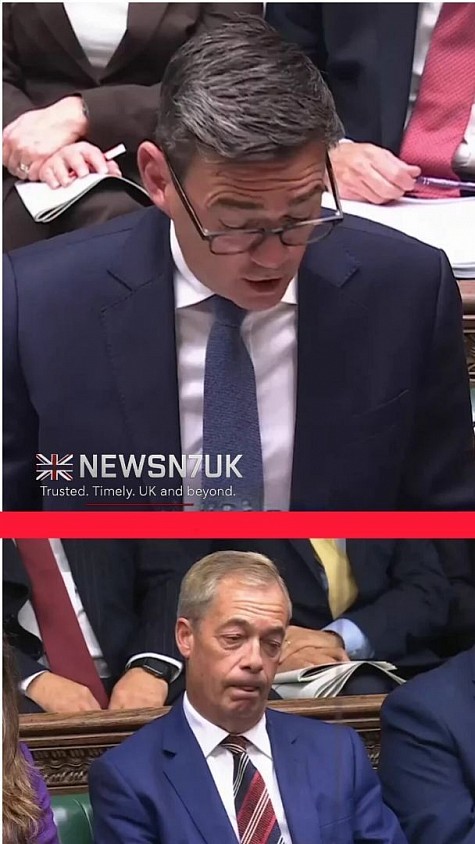
Andy Burnham pledged to protect Nigel Farage.
Britain | Politics | Security and Democracy
NEWSN7UK 🇬🇧
Andy Burnham has acknowledged the growing concerns surrounding the safety of political figures, with the protection of Nigel Farage highlighting the importance of safeguarding democratic participation across the political spectrum.
The issue comes amid heightened concerns about threats against politicians in Britain and renewed calls for stronger security arrangements for those serving in public life.
Protecting political figures beyond party lines
Political disagreements are an essential part of democracy. However, threats, intimidation and violence against politicians risk undermining the principles that allow democratic debate to function.
The safety of Nigel Farage, the Reform UK leader, has attracted renewed attention following reports of threats against him. The wider debate has raised questions about whether existing arrangements provide sufficient protection for politicians, particularly those who face hostility because of their public positions.
In July 2026, Andy Burnham called for a serious review of MPs' security following the death of former politician Ann Widdecombe. He said political debate had become darker and suggested that existing protections might need to be strengthened. .
Security must not become a party-political issue
The debate over Farage's safety raises a fundamental question: should protection depend on political affiliation?
The principle of democratic equality suggests that threats against politicians must be taken seriously regardless of their party, ideology or popularity. Elected representatives and other public figures should be able to perform their duties without fear of violence.
In October, the government announced expanded police support for political figures who are not currently MPs, alongside an independent, comprehensive review of protective security for people in public life. The measures were announced by Home Secretary Shabana Mahmood on 12 October 2026. .
A message of unity in a divided political climate
Britain's political landscape contains profound disagreements over immigration, the economy, national identity and the country's future. Those differences should be addressed through debate, elections and democratic accountability—not through threats or intimidation.
A commitment to protect political opponents can send an important message: the right to participate in public life must be defended even when people strongly disagree with one another.
Unity does not require politicians to abandon their principles or voters to set aside their beliefs. It requires a shared commitment to peaceful disagreement, equal protection under the law and respect for democratic institutions.
The importance of standing together
The safety of politicians is not simply an individual concern. When threats become normalised, public participation can suffer, and people may become increasingly reluctant to enter politics or express their views openly.
Britain's experience with political violence, including the murders of MPs Jo Cox in 2016 and David Amess in 2021, demonstrates why security concerns must be treated seriously. Recent developments have renewed the focus on protecting those in public life. .
The challenge for political leaders is to confront genuine security risks while ensuring that public debate remains open, peaceful and democratic.
NEWSN7UK 🇬🇧 | The bigger picture
Whatever their political differences, Britain's leaders share a responsibility to uphold the safety and dignity of those participating in democracy.
Protecting a political opponent is not an endorsement of that person's views. It is a defence of the principle that disagreement must never become an excuse for violence.
Britain may be divided by political opinion, but it must never be divided in its opposition to political violence. We can disagree without hatred, challenge one another without intimidation, and defend democracy without abandoning our shared humanity.
NEWSN7UK 🇬🇧 — Breaking stories. United voices.
Editorial note: The available sources confirm Burnham's call for a security review and the government's subsequent measures. The precise wording of a separate personal pledge by Burnham to protect Farage has not been independently verified.
Imagine the UK with zero taxes
Image from the archives
🇬🇧 Imagine the UK with zero taxes
What people would notice immediately:
💷 Much higher take-home pay — no income tax or National Insurance.
🛒 Some goods could become cheaper if VAT and other consumption taxes disappeared.
🏢 Businesses would retain much more of their profits if corporation tax disappeared.
🏠 Property transactions could become cheaper if stamp taxes disappeared.
⛽ Duties on fuel, alcohol and other products could disappear.
But there would be a huge second side to the equation.
🏥 Where would the money for government come from?
The UK currently spends enormous amounts on services. In 2025–26, central-government spending on services included around £338 billion on social protection, while health was one of the largest areas of expenditure.
Without taxation, the government would have to replace that money through some combination of:
1. Government-owned businesses
The state could own energy companies, banks, transport companies, natural resources, etc., and use their profits to fund services.
2. Charges for services
Instead of paying through taxes, people might pay directly for healthcare, university, roads, rubbish collection, public transport and other services.
3. Sovereign investment funds
The government could invest huge amounts of capital and use the returns to finance public spending.
4. Borrowing
The government could borrow—but this cannot realistically replace hundreds of billions of pounds every year indefinitely.
5. Creation of money
The government could theoretically finance spending through money creation, but doing this on a large scale could produce substantial inflation.
The interesting possibility
A country could have very low taxes if it had an unusually large alternative source of income—for example, enormous natural-resource revenues or highly profitable state-owned assets.
But a modern country the size of Britain would face a fundamental question:
Who pays for the services that everyone expects the government to provide?
If taxation disappeared completely, the cost wouldn't necessarily disappear. The method of payment would change.
For example:
TodayZero-tax scenarioIncome taxHigher retained wagesVATPotentially higher consumer purchasing powerNational InsuranceNo employee NICorporation taxCompanies retain more profitNHSGovernment must find another funding sourceState pensionsAlternative funding requiredPoliceAlternative funding requiredDefenceAlternative funding requiredSchoolsAlternative funding requiredRoadsAlternative funding required
So the most interesting version of your idea isn't necessarily “zero taxes.” It could be “minimal taxes + a different way of funding the state.”
That would be a fascinating model to explore for Britain: what if the UK abolished income tax and VAT but replaced them with state investment income, resource revenues, and other non-tax sources?
Burnham Opens Door to UK Rejoining European Union
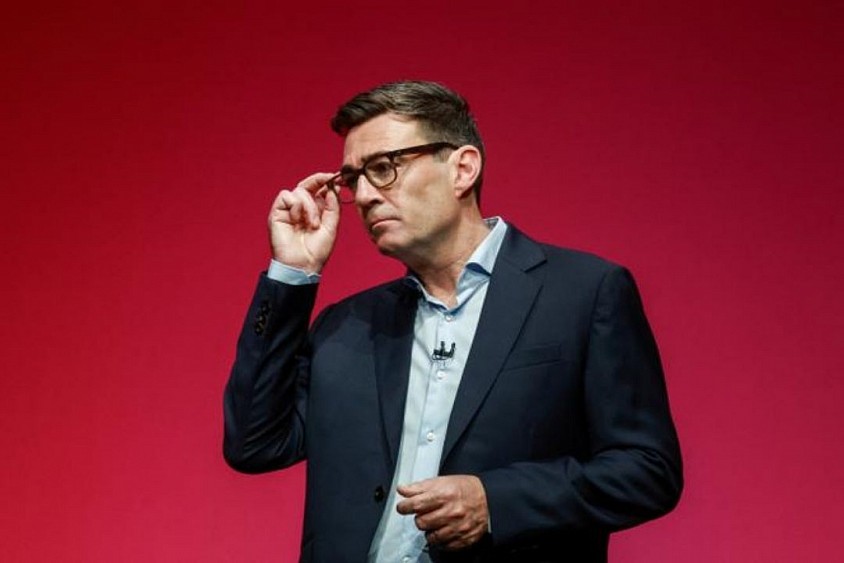
Burnham did not announce a decision to rejoin the European Union. Rather, he stated that rejoining should be considered as one of the options available for the UK's future relationship with Europe.
NEWSN7UK — Politics
BREAKING: Burnham Opens Door to UK Rejoining European Union
British Prime Minister Andy Burnham has said the UK could eventually consider rejoining the European Union, putting the option back into mainstream political debate less than a decade after the 2016 Brexit referendum.
Burnham said his government would examine several possibilities, including maintaining the current arrangements, joining a customs union, returning to the EU single market, or going “all the way” to full EU membership. He stressed that ministers would assess what is achievable and examine the advantages and disadvantages of each option.
Downing Street has also been gathering evidence on public attitudes towards EU membership, while the government is expected to develop its options ahead of a UK-EU summit planned for November.
No decision has been made to rejoin the EU, and there is currently no confirmed timetable for such a move. The issue is now part of a wider debate over Britain's long-term relationship with Europe.
BREAKING POLITICS — Labour pledges major education and welfare reform
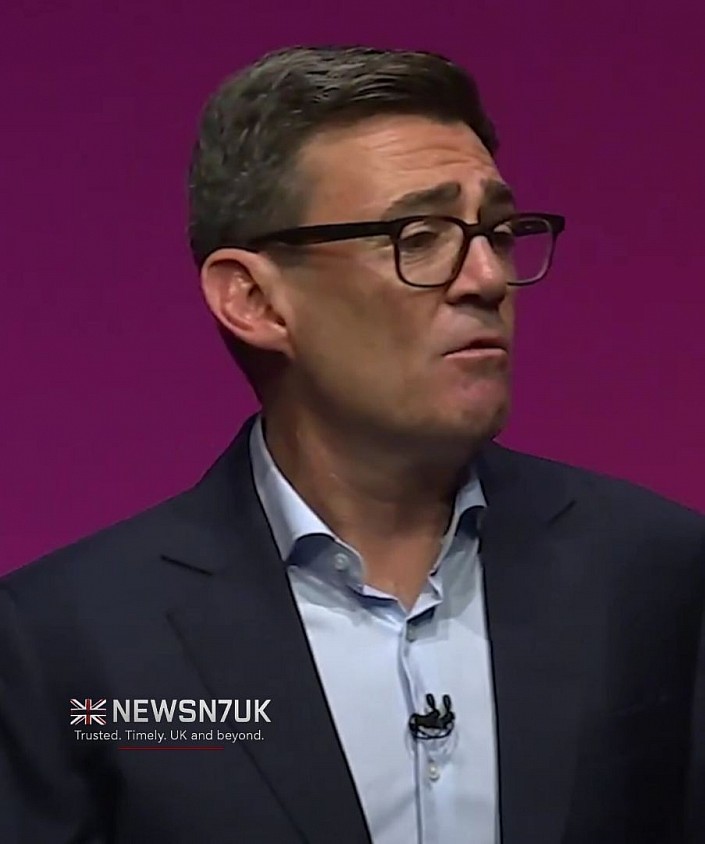
Andy Burnham Prime Minister of the United Kingdom
Prime Minister Andy Burnham has announced that a Labour government will change both the education and welfare systems, arguing that Britain needs to invest more directly in young people rather than allowing them to drift into long-term dependence on benefits.
Burnham said Labour would rebuild comprehensive education in England, with academic and technical education placed on an equal footing. He said the approach would provide good-quality pathways for young people from the age of 14.
Under the proposals outlined in his conference speech:
Academic and technical education would have parity.
Young people would receive clearer pathways from age 14.
A 45-day work placement would be offered between ages 16 and 18.
Labour would seek to provide an apprenticeship at 18.
Burnham said there should be no long waits for mental-health support for young people.
The welfare system would undergo a fundamental rethink to help finance these opportunities.
Young people would be expected to take up support offered to them, while those in work would receive continuing support.
Burnham said the policy represented a different approach to welfare, based on social security and investment in people's ability to succeed, rather than responding only after people have become disconnected from education and employment.
The detailed proposals are expected to develop alongside Alan Milburn's review, which Burnham said Labour is awaiting. Lucy Powell is leading the education work referenced in his speech.
NEWSN7UK angle: The announcement represents a significant proposed shift away from treating university as the dominant post-school pathway, with Labour explicitly seeking to give technical education comparable status and strengthen the transition from school into employment and apprenticeships.
BREAKING POLITICS — Andy Burnham sets out “different path” for Britain
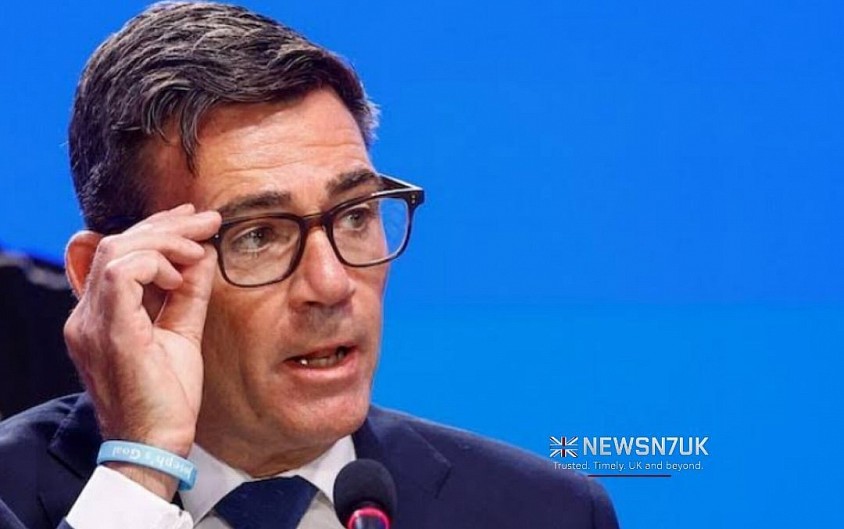
Andy Burnham Prime Minister of the United Kingdom
🇬🇧 BREAKING POLITICS — Andy Burnham sets out “different path” for Britain
NEWSN7UK 🇬🇧
Prime Minister and Labour Party leader Andy Burnham has said Britain “can’t carry on as we are”, arguing that “politics-as-usual” has failed to address long-running problems facing the country.
Speaking at the Labour Party Conference in Liverpool on 29 September 2026, Burnham said his government would pursue a different approach based on what he called an “honest conversation” about issues politicians have avoided.
His agenda includes:
Social care: plans for a new National Care Service, with personal care intended to be free at the point of use.
Youth unemployment: action to address the large number of young people not working or in education or training.
Energy: creation of Great British Grid, a publicly owned body within Great British Energy intended to increase investment and competition in the electricity network.
Water, housing and energy: Burnham says his government will seek greater public control over essential services.
Cost of living: Labour says it will cut VAT on electricity bills and cap bus fares at £2.
Europe: Burnham has announced plans to seek a new relationship with the European Union.
Electoral reform: a national commission is planned, with Labour saying proportional representation will be included in its next manifesto.
Burnham framed the speech as a break with the political and economic direction of recent decades, citing deindustrialisation, deregulation, privatisation, austerity and Brexit as developments he says contributed to Britain's current problems.
He concluded the central message of his programme with the argument that “hope comes from honesty”, saying difficult problems must be confronted rather than avoided.
NEWSN7UK 🇬🇧 | UK Politics
Andy Burnham: “We can’t carry on as we are.”
BREAKING NEWS | Avanti West Coast to return to public ownership
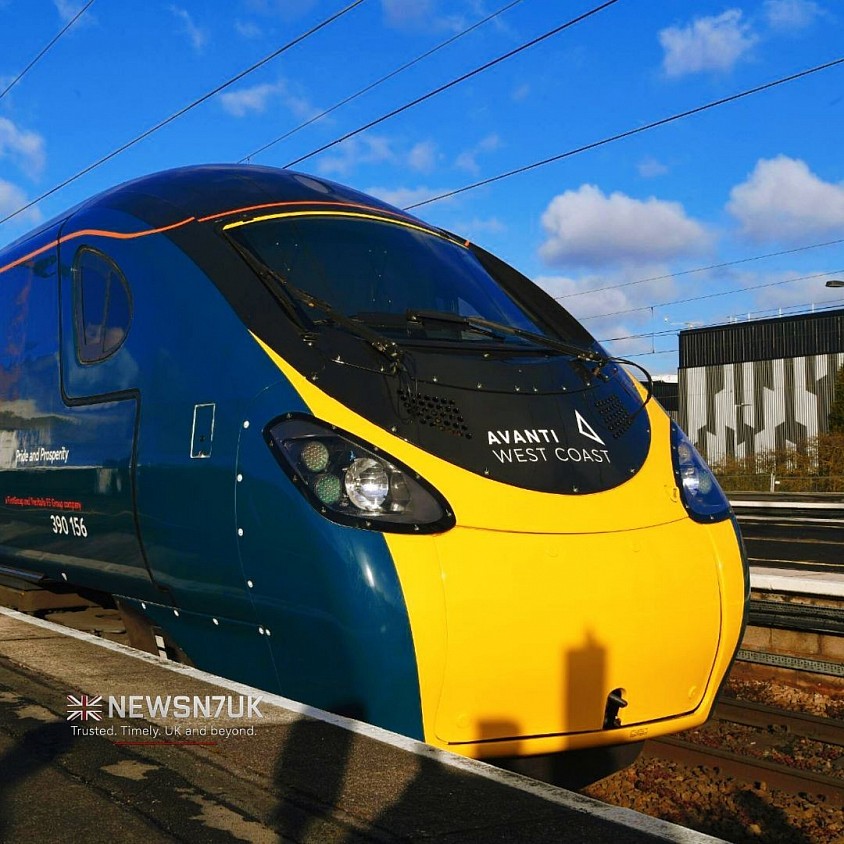
Avanti West Coast
The announcement has now been confirmed by the UK Government: Avanti West Coast services will transfer into public ownership on 7 March 2027.
🔴 BREAKING NEWS | Avanti West Coast to return to public ownership
Prime Minister Andy Burnham has announced that his Labour government will bring Avanti West Coast into public ownership at the earliest opportunity, ending the company's current private-sector operation.
Burnham said passengers had faced years of cancellations, delays and overcrowding, declaring that “enough is enough”. He said the change would put passengers ahead of shareholders and would be accompanied by greater investment in the railway.
Under the government's plans:
🚆 Public ownership begins: 7 March 2027
💷 £10 million additional investment in power and signalling maintenance
🛤️ £840 million already committed to West Coast Main Line infrastructure improvements
🚉 £50 million for improvements at London Euston
📶 Investment in more reliable onboard connectivity
⏱️ Timetable changes intended to improve reliability, particularly services to and from Manchester
🏛️ The move forms part of the wider transition towards Great British Railways.
Avanti West Coast is currently operated by a joint venture between FirstGroup and Trenitalia. The company said it would work with the government to ensure a smooth transition while continuing to serve passengers during the changeover.
🔴 Andy Burnham arrives in Liverpool for his first Labour conference as Prime Minister.
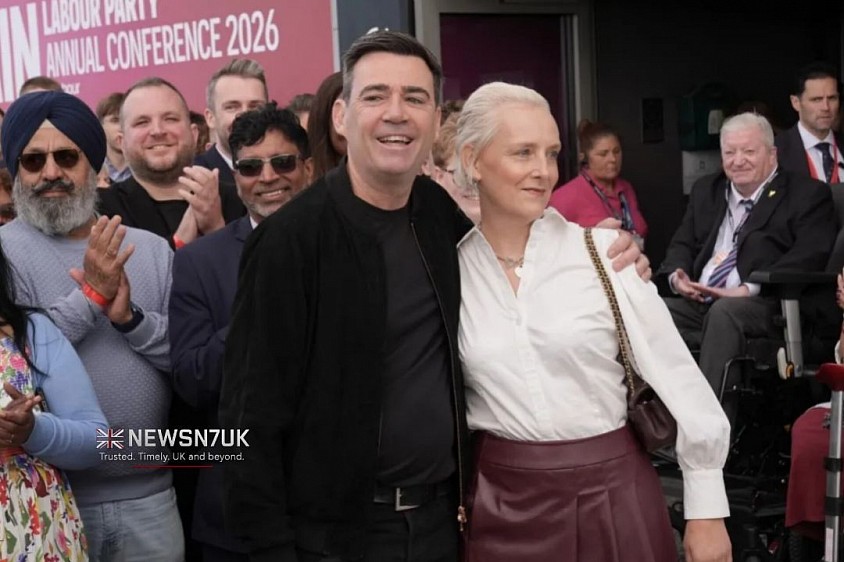
Andy Burnham arrived in Liverpool with his wife, Mary Frances Van Heel.
🇬🇧 BREAKING POLITICS | Andy Burnham Arrives in Liverpool for First Labour Party Conference
LIVERPOOL, UK — 27 September 2026
Prime Minister and Labour Party leader Andy Burnham has arrived in Liverpool as the Labour Party begins its annual conference — his first conference as party leader and Prime Minister.
The four-day conference runs from Sunday 27 September to Wednesday 30 September and brings Labour MPs, ministers, councillors, delegates and activists together in Liverpool.
The conference marks a significant moment for Burnham, who became Labour leader in July and subsequently Prime Minister. The Labour Party describes him as its eighth Labour Prime Minister.
🏛️ Burnham promises a new direction
Burnham is expected to use his conference appearance to set out his government's political direction, with cost-of-living pressures, economic reform, devolution, public services and long-term national renewal among the issues facing the government.
In the official conference guide, Burnham says Labour will pursue what he describes as the biggest changes to Britain in 40 years, while promising to give more power to local communities and tackle problems he says have been overlooked by Westminster.
He has also framed the conference around a message of hope, saying Britain needs to move beyond what he describes as a decade of political division and uncertainty.
💷 Cost of living and the autumn Budget
Economic pressure will be one of the central challenges facing the new government.
Burnham has acknowledged that he and Chancellor John Healey face difficult circumstances ahead of the autumn Budget. Rising borrowing costs and international economic pressures are limiting the government's room for manoeuvre.
The energy price cap is also due to rise by 4% to £1,723 a year for the average household from 1 October, putting household finances firmly on the conference agenda.
🚰 Water reform also expected
Burnham has indicated that reform of the water sector will be among the issues addressed at conference.
He has said the government needs to establish a programme for reform, following a difficult summer involving water-supply and pollution concerns.
The government is also examining options surrounding Thames Water, which faces debt of around £20 billion, according to recent reporting.
🇬🇧 Devolution and power outside Westminster
A major theme of the Burnham government is expected to be the transfer of power away from central government.
Burnham's Labour leadership has placed devolution and local decision-making at the centre of its political programme. The Labour Party says his government intends to put power into communities across Britain.
The issue will also feature prominently in Scottish Labour's conference programme. Scottish Labour leader Michael Marra is expected to call for greater decentralisation of powers within Scotland and new devolution arrangements for Scotland's regions.
🇵🇸 Gaza and Palestine Action protests
The conference is also taking place amid disagreement over the government's policy towards Gaza and the continued ban on Palestine Action.
A planned demonstration is expected near the conference centre on Sunday. Organisers Defend Our Juries have called for a mass silent vigil in opposition to the proscription of Palestine Action.
The issue is likely to create pressure on Labour leadership during the conference, particularly from sections of the party and activists critical of the government's position.
⚡ A politically important conference
This is the first Labour conference since Burnham replaced Keir Starmer as leader, giving the gathering particular significance for the new government.
Burnham has ruled out speculation that he is considering an early general election, saying the next election will be in 2029. He has instead said his focus is on governing, addressing living costs and taking the country forward.
His main conference speech is expected on Tuesday 29 September, when he will set out his government's broader political programme.
NEWSN7UK | KEY POINTS
🔴 Andy Burnham arrives in Liverpool for his first Labour conference as Prime Minister.
🏛️ New political direction: Burnham is expected to outline his government's programme for national reform.
💷 Cost of living: Household bills and economic pressures remain major issues ahead of the Budget.
🚰 Water reform: The government is expected to address the future of the water sector.
🇬🇧 Devolution: Greater power for local communities and regions is a central theme.
🇵🇸 Gaza: Labour faces internal and external pressure over its approach to the conflict.
⚖️ Palestine Action: Protesters are expected in Liverpool during the opening day.
🗳️ Election: Burnham has rejected speculation about an early general election and said the next election will be in 2029.
NEWSN7UK 🇬🇧 | Breaking stories. United voices.
Burnham reaffirms the UK’s net-zero promise
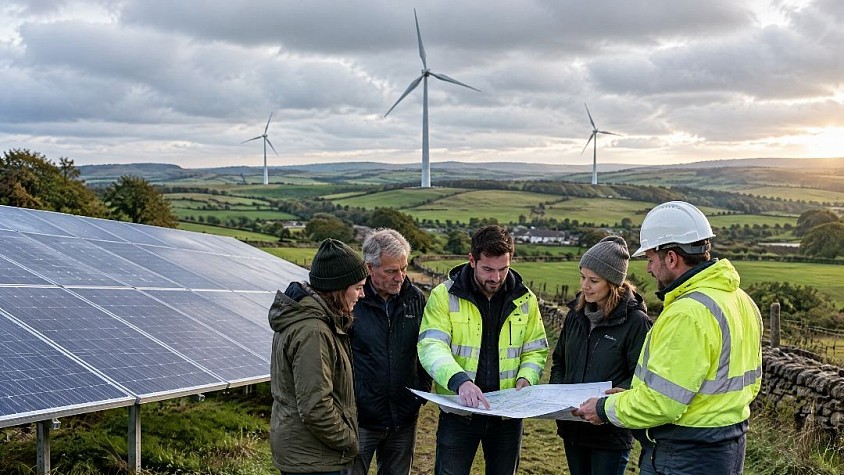
Editorial illustration commissioned by NEWSN7UK Visual, not a photograph of the announcement
rime Minister Andy Burnham has reaffirmed that the United Kingdom remains committed to reaching net-zero carbon emissions by 2050, arguing that the green transition can also become a route to lower bills, new jobs and a more self-reliant economy.
In an announcement on Thursday 17 September, the government set out almost £30 million of funding for so-called People’s Power projects. The programme is intended to help communities develop and control local clean-energy schemes, from solar panels on public buildings to publicly owned wind and hydro projects.
“I am determined that we meet the commitment on which Labour was elected and reach net zero by 2050.”— Andy Burnham, writing in The Guardian
Burnham said councils and community groups receiving support would have at least part-ownership in the renewable projects they develop. The stated aim is to ensure that communities do more than host infrastructure: they retain a share of the value and influence the way local energy is produced.
Power in every postcode
The Prime Minister linked the funding to the cost-of-living pressure facing households. His argument is that the lasting route to lower bills is to produce more clean energy at home, while allowing people to participate directly in the transition.
He also described the policy as part of a broader transformation in the way Britain travels, builds homes and produces energy. In his words, the green transition offers the country “the best chance we will ever have to reindustrialise Britain”.
The announcement points towards a larger Great British Energy programme. The Guardian reported that the longer-term ambition is to fund more than 1,000 People’s Power projects, with community ownership at the centre of the model.
A contested target
The political backdrop is increasingly charged. The Independent reported that a cross-party Commons committee had recommended changing how ministers communicate the energy transition, arguing that the phrase “net zero” has become a lightning rod for opposition and misinformation.
Opposition parties have challenged the 2050 target, while environmental campaigners have pressed the government to match its public commitments with decisions on new oil and gas developments. That tension leaves the government defending both the destination and the route.
Burnham’s intervention is therefore more than a restatement of a date. It is an attempt to frame climate policy as a practical programme of community ownership, industrial renewal and energy security—while asking voters to see the transition as something they can help build, not simply absorb
Reporting note
This report is based on coverage and published commentary from The Guardian and The Independent. The image is an editorial illustration created for NEWSN7UK, not an official photograph of the announcement
The first Budget meets a world that has become more expensive
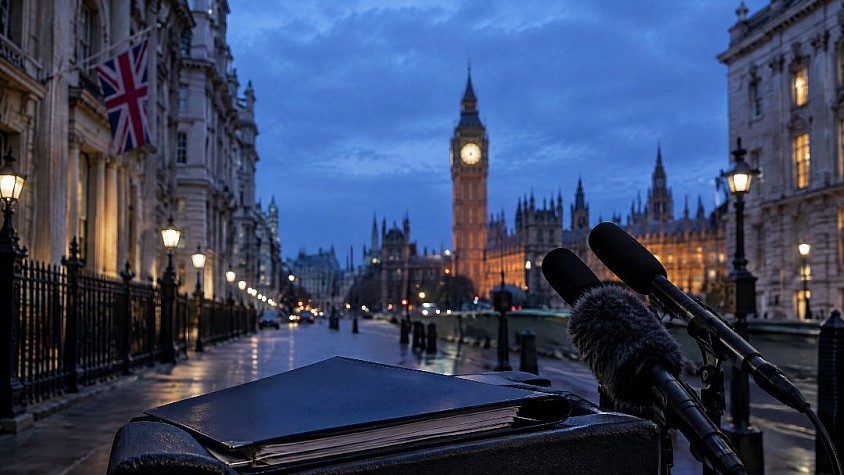
Editorial image commissioned by NEWSN7UK · A visual interpretation of the political story
he government’s first Budget is arriving into a more difficult room than ministers expected. Bridget Phillipson has warned that the Iran conflict and its effect on energy markets are creating a very real domestic challenge, adding geopolitical pressure to an already crowded set of choices over borrowing, defence and public services.
A shock that travels through the household
Phillipson’s intervention was not a forecast from the Office for Budget Responsibility, nor a promise of specific tax rises. It was a political assessment of how quickly an international conflict can move into the cost of living: through fuel, transport, food and the operating costs of businesses. The minister also reiterated that the UK did not join the US military campaign against Iran, while acknowledging that Britain cannot insulate itself from the economic consequences of disruption.
Limited room for manoeuvre
Reuters reported earlier this month that Healey’s first Budget, due on 28 October, was already under pressure from higher borrowing costs, defence spending and social-care commitments. The Chancellor entered the autumn with a fiscal rule to protect and a margin that economists had expected to narrow. That leaves ministers balancing revenue-raising options against the political cost of asking households and companies to contribute more.
What Reporting note
The report distinguishes Phillipson’s political assessment from formal fiscal forecasts. Budget measures, the conflict’s trajectory and energy-market effects may change before 28 October.
No final Budget measures have been confirmed. The government still has to decide how much of the pressure should be met through taxes, spending restraint, borrowing or a change in the pace of promised programmes. Healey has also placed fiscal devolution on the agenda, with a roadmap for giving mayoral strategic authorities a larger role in local revenue from 2028. The political test is whether ministers can present those decisions as a coherent plan rather than a collection of emergency responses.
The argument before the statement
For Labour, the central argument is that stability and investment must survive a period of instability. For households, the immediate question is simpler: whether the next Budget makes the weekly cost of living feel more manageable. Phillipson’s warning does not answer that question, but it makes clear that the government now has to write its first major fiscal statement with the outside world pressing hard against the door.
Reporting note
Sadiq Khan has formally taken his seat in the House of Lords.
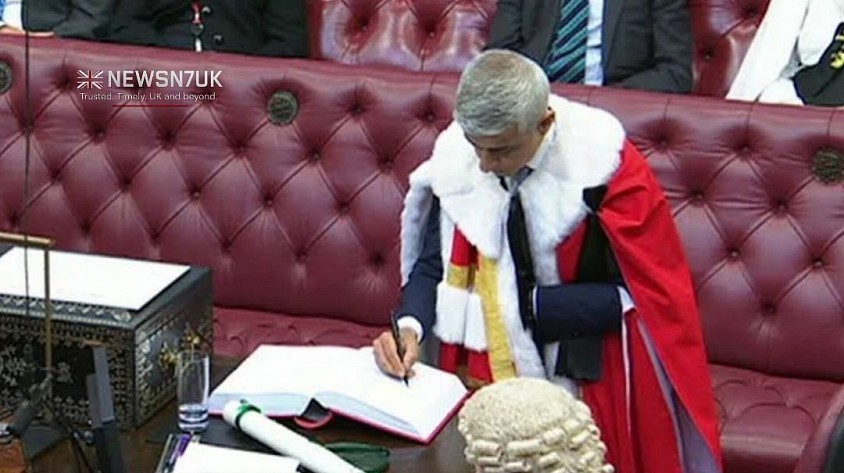
Sadiq Khan, Mayor of London: Now known as Lord Khan of Tooting, he holds a seat on the council representing the Labour Party.
breaking political news from Westminster today: Sadiq Khan has formally taken his seat in the House of Lords.
He is now Lord Khan of Tooting and sits as a Labour peer.
He took the traditional oath in the Lords on Tuesday, 15 September 2026.
Around a dozen London Labour MPs and members of his family watched from the Lords’ gallery.
Khan has been Mayor of London since 2016 and is the longest-serving Mayor of London since the office was created in 2000.
His current mayoral term runs until 2028, although there has been speculation that he may not seek a fourth term.
Before becoming mayor, he represented Tooting as an MP for 11 years and served as a government minister under Gordon Brown.
Andy Burnham makes history as first sitting Prime Minister to run the Great North Run
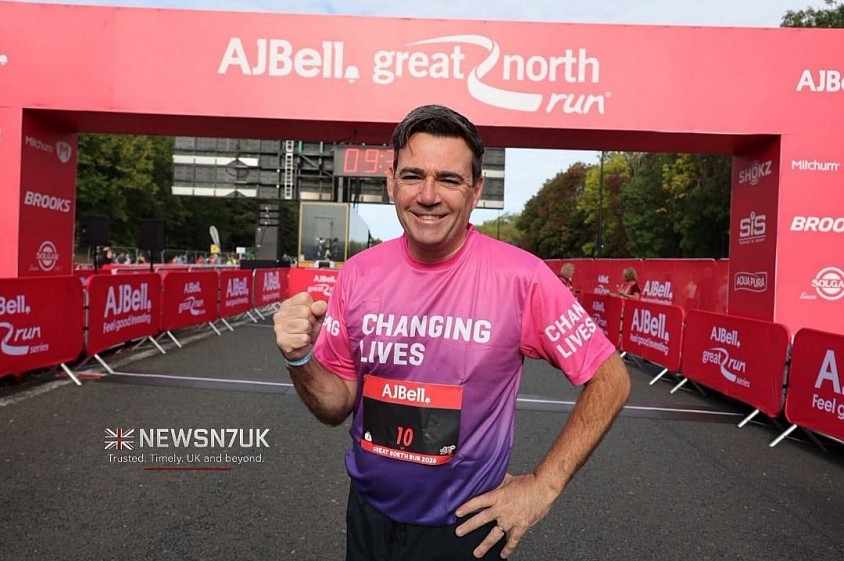
Andy Burnham, British Prime Minister
NEWCASTLE/SOUTH SHIELDS — 13 September 2026 — Prime Minister Andy Burnham has made history by becoming the first serving UK Prime Minister to take part in the Great North Run, combining a major personal sporting challenge with a fundraising campaign to support people experiencing homelessness.
Burnham joined around 63,000 runners for the 45th edition of the iconic half-marathon, which runs from Newcastle upon Tyne to South Shields.
Wearing a Number 10 race bib, Burnham completed the 13.1-mile course in approximately 1 hour 57 minutes, crossing the finish line in 01:57:35 according to the Great North Run.
Running for Changing Lives
The Prime Minister entered the race to raise money for Changing Lives, a homelessness charity supporting people facing homelessness and other complex challenges.
Ahead of the race, Burnham appealed for public support for the campaign fundraising, asking people who could afford it to donate. His participation therefore carried a wider political message: using one of Britain's biggest mass sporting events to draw attention to homelessness.
Burnham has made tackling rough sleeping a major priority since entering Downing Street. Homelessness charity Crisis has welcomed his commitment to ending rough sleeping, while stressing that the pledge will require sustained action on housing, rents and access to secure accommodation.
A personal challenge for a long-distance runner
The Great North Run is not Burnham's first major running event. The Prime Minister has previously competed in long-distance races, including the Great North Run, London Marathon and Boston Marathon. His participation this year therefore combines an established personal interest in running with his public role as Prime Minister.
His 2026 performance also put him close to his previous Great North Run time, while allowing him to complete the course in under two hours.
A symbolic moment for Number 10
Burnham's appearance was notable not simply because a prime minister was running, but because of the symbolism surrounding it.
The Great North Run attracts tens of thousands of ordinary runners, charity fundraisers, celebrities and elite athletes. Burnham entered the same field as the public rather than appearing simply as a spectator or official guest.
The event was started by England and Newcastle United footballer Dan Burn, while other well-known participants included Joe Wicks and Helen Skelton.
For Burnham, the event provided an opportunity to combine sport, public service and homelessness fundraising at a time when his government has placed ending rough sleeping high on its agenda.
Homelessness remains a major national challenge
The political backdrop is significant. Crisis reported that 3,959 people were recorded sleeping rough in London between April and June 2026. Although that figure was 10% lower than the same period a year earlier, it remained substantially higher than five and ten years previously.
Burnham has pledged to end rough sleeping, but homelessness organizations have warned that achieving that goal will require more than emergency accommodation. They point to the need for affordable housing, secure tenancies, prevention and long-term support.
His decision to raise money for Changing Lives therefore reinforces a theme that has become increasingly prominent in his premiership: tackling homelessness as both a practical policy challenge and a moral responsibility.
A historic Great North Run
The 2026 Great North Run itself marked its 45th edition, with the famous route taking runners from Newcastle, across the Tyne Bridge and through Gateshead before finishing on the South Shields seafront. The event remains one of Britain's biggest mass-participation sporting occasions.
But this year's race will also be remembered for a political first.
Andy Burnham is now the first sitting Prime Minister to compete in the Great North Run.
For the Prime Minister, however, the significance went beyond the record. He used the run to raise awareness and funds for people facing homelessness — turning a historic sporting appearance into a public campaign for a cause that has become central to his premiership.
