
NEWSN7UK🇬🇧🚫
BREAKING — REFORM UK RECEIVES RECORD £36M DONATION

Nigel Farage British Politician
🇬🇧 BREAKING — REFORM UK RECEIVES RECORD £36M DONATION
Crypto entrepreneur Ben Delo, co-founder of BitMEX and a British businessman who was pardoned by Donald Trump after a 2022 US conviction relating to anti-money-laundering controls, has pledged £36 million to Reform UK.
💷 £36m — the largest political donation in British history.
💰 Delo previously donated £8m to Reform this year.
📅 The new money is planned at £1m per month through to the next general election, expected in 2029.
⚖️ Delo says he wants to create a “fair fight” / “level playing field” with Labour and the Conservatives.
🇬🇧 Nigel Farage said he was “honoured and humbled” by Delo's confidence in Reform.
🔎 The donation comes while Reform is facing scrutiny over alleged foreign-donation issues and a police investigation into its finances. Reform denies wrongdoing.
The development is particularly significant because the UK government introduced measures in March 2026 to restrict donations from overseas electors and prohibit cryptocurrency donations. Delo's eligibility to make the donation has therefore attracted considerable attention.
NEWSN7UK angle: *The £36m donation could dramatically strengthen Reform UK's campaigning and organisational capacity while reigniting the debate over whether Britain's political parties should face limits on mega-donations.*
25 Years Since 9/11 | Burnham Commemorates Victims

Andy Burnham : "We are you and you are us. We are one."
25 Years Since 9/11 | Burnham Commemorates Victims
Andy Burnham commemorated the 25th anniversary of the September 11 attacks, remembering the nearly 3,000 people killed, including 67 Britons.
Burnham paid tribute to those still grieving, recalling the solidarity shown between the United States and Greater Manchester in the aftermath of the terrorist attacks that struck both regions.
He highlighted messages from the children of 9/11 victims to the families affected by the Manchester attack:
"We are you and you are us. We are one."
Burnham said the UK and the US must continue to stand together against terrorism, while defending democracy and the shared values of both nations.
NEWSSN7UK 🇬🇧 | Breaking News. United Voices.
BREAKING: Burnham warns against “politics of poison
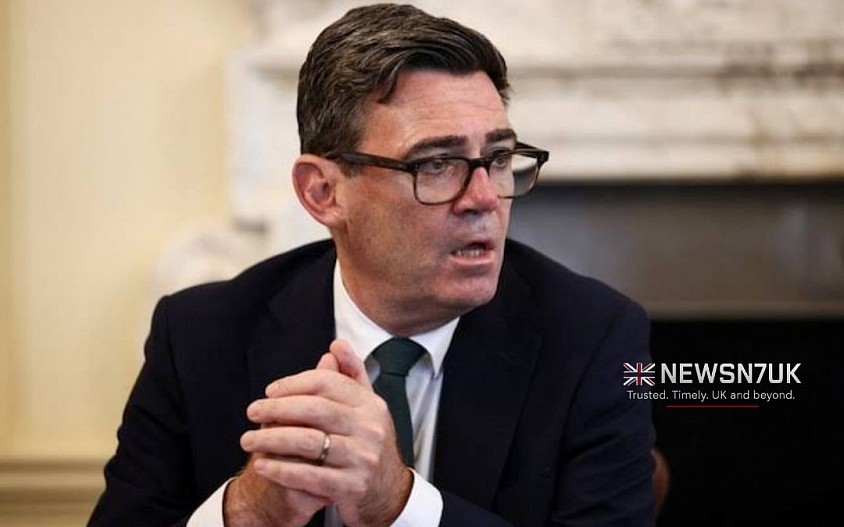
Andy Burnham Prime Minister of the United Kingdom
- 🇬🇧 BREAKING: Burnham warns against “politics of poison”
Prime Minister Andy Burnham has urged Labor MPs to prevent what he called the “politics of poison” from spreading through British communities, following anti-migrant protests and unrest in Dover and Portsmouth.
Speaking to the Parliamentary Labor Party, Burnham said politicians had a “solemn responsibility” to counter fear with “positivity and hope”, while stressing that Britain would not accept racism in its communities.
The comments follow a protest at Dover on Saturday, where masked demonstrators blocked roads around the port, and a larger confrontation in Portsmouth on Sunday after migrants arrived by small boat. Police officers were injured and official vehicles were damaged during the Portsmouth unrest.
Burnham pledged to turn Britain upside down
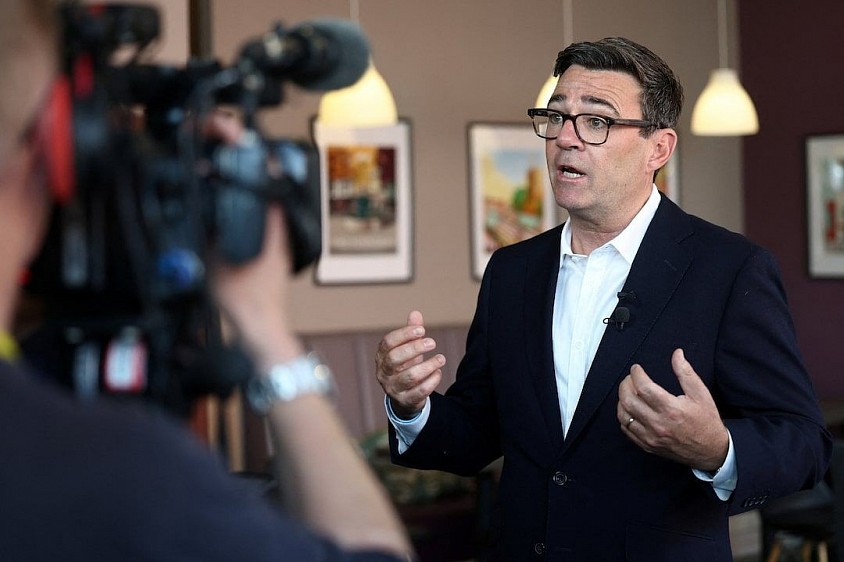
Andy Burnham Prime Minister of the United Kingdom
Bath, UK, 1:02 PM, Saturday,September 5, 2026.
Burnham vows to transform Britain as PM declares: ‘I didn’t become Prime Minister to make a few tweaks’
NEWSN7UK 🇬🇧
Prime Minister sets out sweeping programme focused on housing, mental health, devolution and the cost of living — promising to ‘bring back hope’
LONDON — Prime Minister Andy Burnham has declared that his government intends to fundamentally change the way Britain is governed, arguing that the country can no longer accept long-standing problems as issues that simply cannot be solved.
In a wide-ranging statement setting out his political agenda, Mr Burnham said he had not entered Downing Street to make “a few tweaks around the edges”, but to change how the country works.
The Prime Minister said successive governments had become accustomed to believing that problems including homelessness, regional inequality, unaffordable housing and the concentration of decision-making in Westminster were too difficult to overcome.
“I don’t accept that, and I never have,” he said.
His government is presenting its programme as a long-term attempt to reshape both the British economy and the relationship between central government and local communities.
Major housing and homelessness push
Among the measures highlighted by Mr Burnham is a commitment to provide people sleeping rough with a route away from the streets.
The government says it is investing in measures intended to ensure that everyone who needs support has a route off the streets by Christmas.
The Prime Minister also pointed to plans for what he described as the biggest council housebuilding programme since the Second World War, placing affordable housing at the centre of his government's response to the housing crisis.
The programme comes amid continuing concerns over housing affordability and the availability of social housing across Britain.
Mental health services expanded
Mental health is another major component of the government's programme.
The government has announced plans for 159 new NHS mental health facilities across England, backed by £343 million.
The expansion includes community mental health centres designed to provide support closer to people's homes, alongside dedicated mental health emergency departments intended to provide specialist care to people in crisis.
Mr Burnham described the investment as part of a wider effort to intervene earlier and prevent people from reaching crisis point.
Power away from Westminster
Perhaps the most distinctive element of the Prime Minister's programme is his determination to move political and economic decision-making away from Westminster.
Central to that strategy is No10 North, the government's new Manchester base.
Mr Burnham became the first British Prime Minister to work from the new northern government headquarters when it opened in July. The government says the facility is intended to become a centre for economic decision-making and devolution.
The Prime Minister has argued that Britain cannot be rebuilt solely through decisions made in London.
“Britain won't be rebuilt from the top down,” he said.
Instead, he wants more responsibility placed in the hands of local leaders and communities, with central government providing financial and institutional support.
The government has subsequently announced plans to second Whitehall officials into mayoral authorities, describing the move as the largest transfer of Whitehall capacity to local leaders yet.
The House of Commons Library has also described No10 North as part of a new Office for the Prime Minister and Cabinet, with responsibilities including devolution and regional economic policy.
Help with household costs
Mr Burnham also highlighted measures designed to give households what he called “breathing space” during the cost-of-living squeeze.
Among the policies highlighted are a reduction in tax on electricity bills and the restoration of a £2 bus-fare cap in England.
The government has also announced measures affecting consumer subscriptions and retail practices, including making subscriptions easier to cancel and tackling misleading or fake discounts.
For businesses, the government says it has reduced business rates for pubs, social clubs and music venues, seeking to support sectors that play a significant role in local communities.
The government's July announcement said business rates for these venues would be cut by 20%.
Education and opportunities for young people
Education and skills form another part of the government's programme.
Mr Burnham highlighted his government's decision to put technical education on a more equal footing with the traditional academic route.
The government has also promoted earlier access to technical education for teenagers and extended support for young people travelling by rail.
The 16–17 Saver Railcard has been extended so that young people can continue receiving discounted travel beyond their 18th birthday, according to the Prime Minister's office and government announcements.
Transport and accessibility
Transport policy has also featured prominently in the government's first months.
Alongside the £2 bus-fare cap, the government has introduced free 24/7 bus travel for disabled people, while the West Midlands has moved towards public control of its bus network.
The measures form part of Mr Burnham's wider argument that public services should be more accessible and responsive to the communities they serve.
Reindustrialising Britain
The Prime Minister has repeatedly linked his regional agenda to economic growth.
His stated objective is “good growth in every postcode”, with a particular emphasis on reindustrialising Britain and ensuring that government investment creates jobs and opportunities beyond London.
During a visit to Scotland, Mr Burnham said his ambition was for growth across the whole United Kingdom rather than simply in particular regions of England.
The government has also begun changing the way public contracts are assessed, placing greater emphasis on British jobs, local skills and apprenticeships.
A different model of government
The scale of the programme represents an attempt by Mr Burnham to define his premiership around structural change rather than individual policy announcements.
His central argument is that government should become less concentrated in Westminster and more connected to local communities.
That philosophy has shaped the creation of No10 North, the proposed transfer of civil service capacity to local authorities and the government's emphasis on regional economic development.
It is also intended to distinguish the Burnham administration politically from previous governments that, in his words, accepted that some problems simply could not be fixed.
“That is the change we have started,” the Prime Minister said, pointing to greater power for communities, support with living costs and a long-term programme of national renewal.
‘Bringing back hope’
Mr Burnham ultimately framed the programme in broader terms than individual policies.
He said the government's objective was to create an economy that delivers growth across the country, rebuild Britain's industrial base and ensure that people feel they have a future regardless of where they live or their background.
“Because, in the end, that's what this is about: bringing back hope,” he said.
The challenge now will be turning the government's ambitious programme into measurable improvements in housing, public services, household finances and regional economic performance.
For Mr Burnham, however, the direction of travel is clear: a Britain in which more decisions are taken locally, economic opportunity is spread more evenly and government is judged by whether it can solve problems that previous administrations regarded as too difficult.
NEWSN7UK — Politics | Britain | Breaking News
The first confrontation between Andy Burnham and Kimmy Badenoch in the House of Commons.
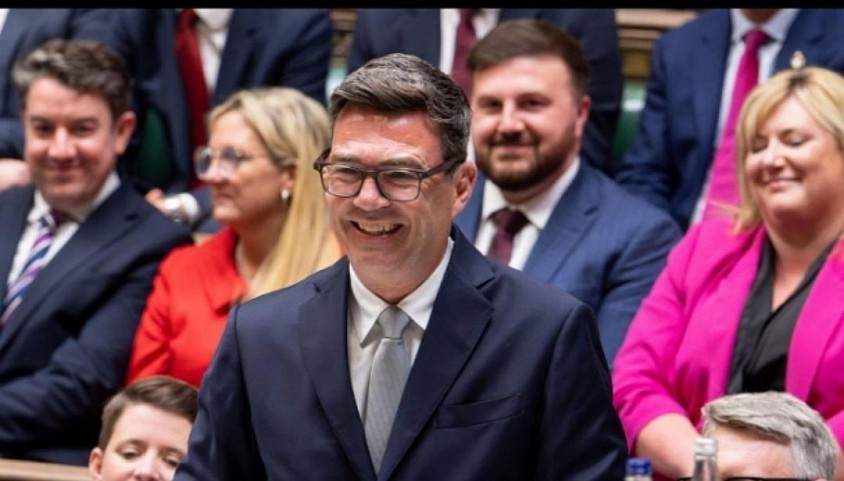
Andy Burnham Prime Minister of the United Kingdom
Tuesday, 1 September 2026 (BST)
Time in Bath, UK
NEWSN7UK 🇬🇧
🇬🇧 BREAKING POLITICS
Andy Burnham and Kemi Badenoch go head-to-head in the House of Commons for the first time.
Prime Minister Andy Burnham has faced MPs for the first time since becoming Prime Minister on 20 July, with Conservative leader Kemi Badenoch leading the opposition scrutiny. Parliament returned today following the summer recess.
Burnham used his first Commons appearance to set out his government’s agenda, including greater public control of essential services, economic renewal and devolution. He also argued that Britain’s long period of weak growth was linked to Brexit and earlier economic policies.
Badenoch has been preparing to challenge Burnham over the cost of his policies, economic growth, defence spending, prisons and the government's approach to public services. Her Conservative reshuffle yesterday also sharpened the opposition's attack lines ahead of the Commons confrontation.
The political battle lines are now clear: Burnham is presenting his premiership as a break with the past, while Badenoch is seeking to portray his programme as expensive, interventionist and insufficiently decisive.
PMQs will provide their next major face-to-face test on Wednesday.
Keir Starmer
Former Prime Minister of the United Kingdom
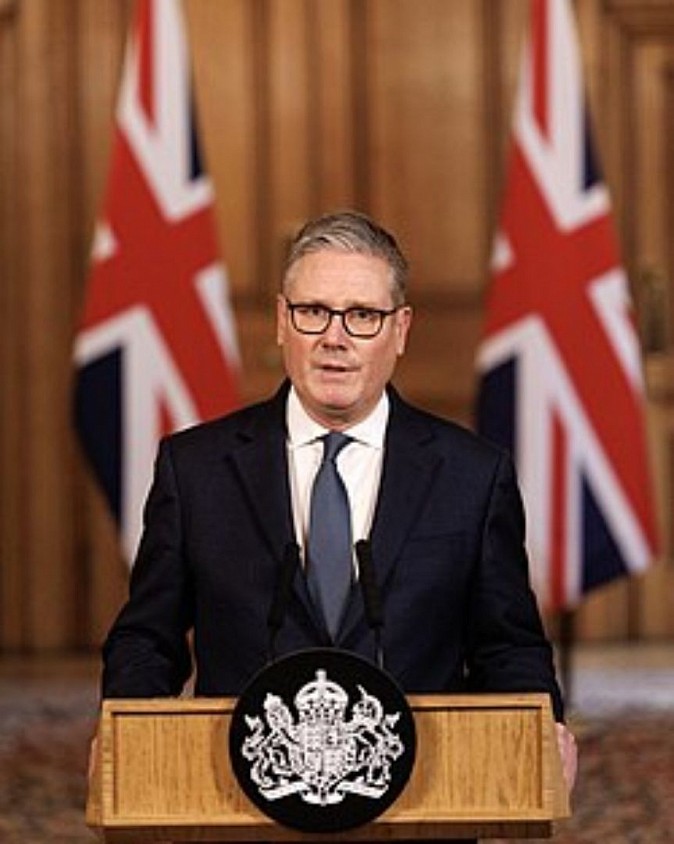
Keir Starmer Former Prime Minister of the United Kingdom🇬🇧
🇬🇧 KEIR STARMER: A PERSONAL STATEMENT
“It has been an honour and a privilege to represent Holborn and St Pancras for the last 11 years.
I am deeply grateful to the people of the constituency for the trust they have placed in me and for the opportunity to serve them.
Representing Holborn and St Pancras has been one of the greatest privileges of my political life, and I will always be proud of the work we have undertaken together.”
— Keir Starmer
*Badenoch reshuffles Tory top team as senior figures lose their posts.*
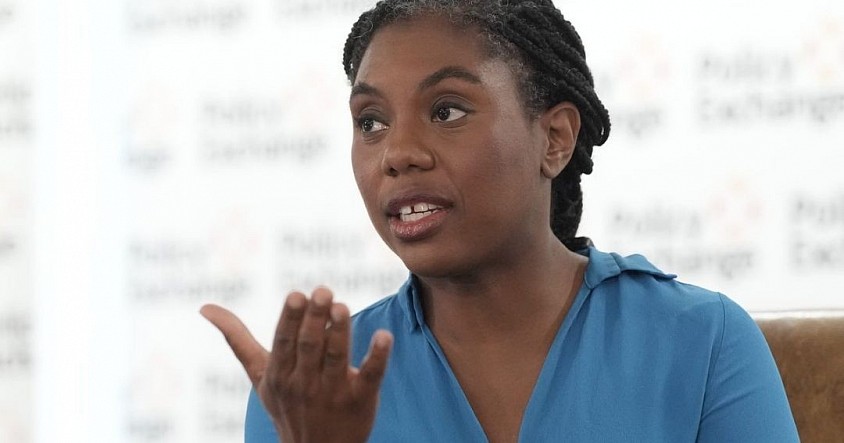
Kemi Badenoch Leader of the Opposition in the United Kingdom
15:42
Monday, 31 August 2026 (BST)Time in Bath, UK
🇬🇧 BREAKING POLITICS
NEWSN7UK 🇬🇧
Priti Patel and Mel Stride axed as Kemi Badenoch launches major Tory reshuffle
Conservative leader Kemi Badenoch has launched a major reshuffle of the party’s Shadow Cabinet, with former senior ministers Dame Priti Patel and Sir Mel Stride among the biggest casualties.
Sir Mel Stride has been removed as Shadow Chancellor and replaced by Andrew Griffith, as Badenoch seeks to put economic growth, tax cuts and deregulation at the centre of the Conservatives’ message.
Dame Priti Patel has also left the Shadow Foreign Secretary role. Tom Tugendhat is expected to take over the brief, while Patel is being given an international role focused on strengthening Conservative links with centre-right and right-wing parties overseas.
The reshuffle also follows James Cleverly’s departure from the Shadow Cabinet as he prepares to pursue the Conservative nomination for Mayor of London. Stuart Andrew has also been removed as Shadow Health Secretary.
The shake-up comes just before Parliament returns and ahead of the Conservative Party conference in October, as Badenoch attempts to strengthen her front bench and sharpen the party’s appeal while Reform UK continues to put pressure on the Conservatives.
NEWSN7UK 🇬🇧 | BREAKING POLITICS
*Badenoch reshuffles Tory top team as senior figures lose their posts.*
PM VOWS TO END ‘INJUSTICE’ OF INDEFINITE JAIL TERMS
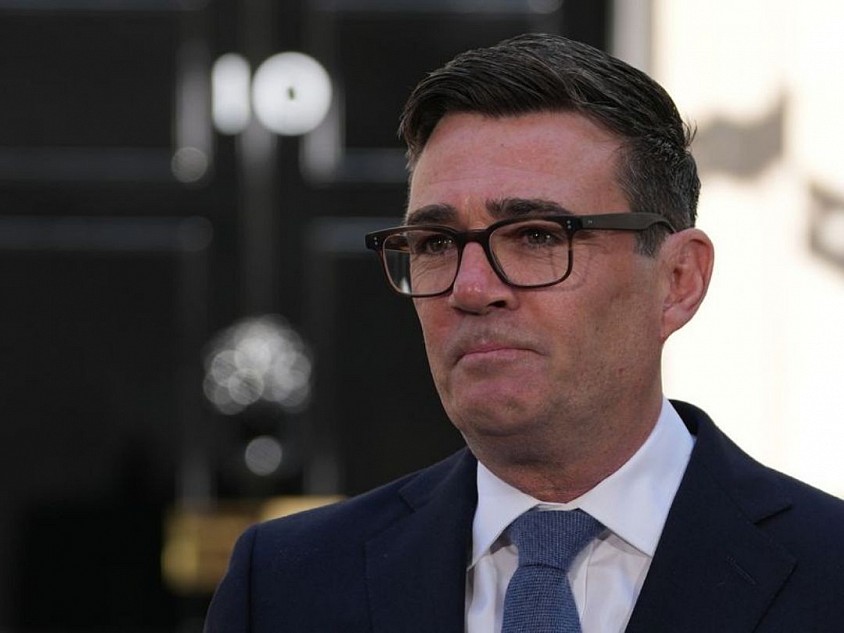
Prime Minister Andy Burnham :radical judicial reform
🚨🇬🇧 BREAKING POLITICS | MAJOR JUSTICE REFORM
PM VOWS TO END ‘INJUSTICE’ OF INDEFINITE JAIL TERMS
Prime Minister Andy Burnham has announced that the Government will introduce legislation to end the long-running injustice of Imprisonment for Public Protection (IPP) sentences by the end of this Parliament.
IPP sentences were abolished in 2012, but the change was not retrospective, leaving thousands of prisoners still subject to the controversial open-ended system.
The Prime Minister said it was wrong for people who had already served their original tariff to remain imprisoned indefinitely while others convicted of serious crimes could be released early.
The Government’s decision represents a major breakthrough for prisoners, families and campaigners who have spent years demanding reform.
Campaigner Shirley Debono, whose son Shaun Lloyd has spent almost 14 years in custody under an IPP sentence, described the announcement as “incredible” after years of campaigning.
📌 What happens next? The Government is expected to bring forward legislation aimed at formally ending the remaining IPP sentences during this Parliament.
🇬🇧 NEWSN7UK Breaking stories. United voices.
ANDY BURNHAM A PRIME MINISTER WHO BELIEVES IN GETTING THINGS DONE
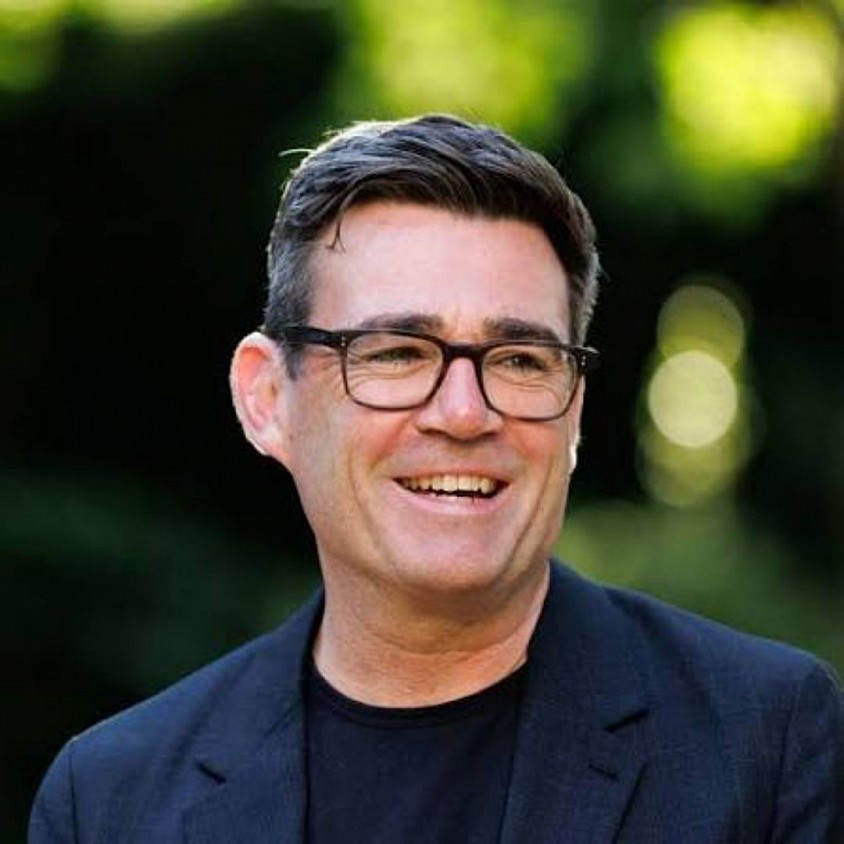
Andy Burnham Prime Minister of the United Kingdom🇬🇧
🇬🇧ANDY BURNHAM
DELIVERING FOR GREATER MANCHESTER
A MAYOR WHO BELIEVES IN GETTING THINGS DONE
A PRIME MINISTER WHO BELIEVES IN GETTING THINGS DONE
NEWSN7UK 🇬🇧
For years, Andy Burnham has argued that politics should be about practical change — improving people's lives, strengthening communities and giving Greater Manchester a stronger voice.
As Mayor of Greater Manchester, Burnham has championed an ambitious programme focused on transport, housing, jobs, skills, public services, health and regeneration.
As Prime Minister, Burnham would champion an ambitious programme focused on transport, housing, jobs, skills, public services, health and regeneration.
🚆 TRANSFORMING TRANSPORT
Burnham has made public transport one of the defining priorities of his mayoralty.
Burnham has made public transport one of the defining priorities of his political career.
Greater Manchester's integrated transport ambitions have included the expansion of Bee Network bus and tram services, with the aim of creating a simpler, more affordable and better-connected network across the region.
The vision is straightforward:
Better connections. Fairer fares. A transport system that works for everyone.
🏠 TACKLING HOUSING AND ROGUE PRACTICES
Burnham has repeatedly argued that people deserve safe, decent homes and protection from exploitation.
His latest message is aimed at the minority of rogue operators:
“Today, we're going to take down the crooks.”
But the message also recognises the thousands of honest tradespeople who work hard and take pride in their work.
Most builders are decent people. The target is those who exploit the public.
💼 JOBS, SKILLS & OPPORTUNITY
Greater Manchester has pursued greater control over skills, employment and economic development, with Burnham promoting the idea that decisions affecting the region should increasingly be made in the region.
The ambition is to create opportunities for young people, support businesses and ensure local communities benefit from economic growth.
🏙️ A STRONGER GREATER MANCHESTER
Burnham has consistently promoted devolution — giving Greater Manchester greater responsibility over its own future.
His political message is that local leaders often understand local problems better than Westminster.
From transport and housing to economic development and public services, his approach has been built around regional decision-making and long-term investment.
THE BURNHAM MESSAGE
Practical politics.
Local power.
Better public services.
A stronger economy.
A fairer deal for communities.
Andy Burnham's political project is ultimately about giving Greater Manchester greater confidence and greater control over its future.
Andy Burnham's political project is ultimately about giving Greater Manchester and the United Kingdom greater confidence and greater control over their future.
“GETTING THINGS DONE.”
ANDY BURNHAM
Mayor of Greater Manchester
ANDY BURNHAM
Prime Minister
🇬🇧 NEWSN7UK
Reliable. Fast. British.
Political advertisement / promotional feature. Views expressed are political and should not be presented as an independent news report.
Baroness Sue Grey strongly criticizes insider leaks during her previous work with Starmer.
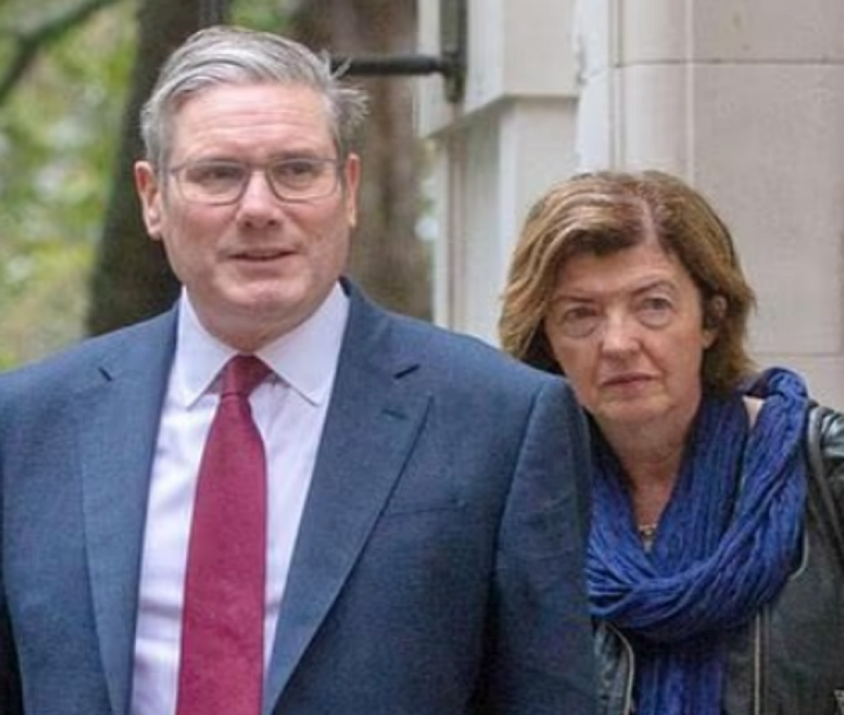
Baroness Sue Grey with Starmer.
02:54
Friday, 21 August 2026 (BST)
Time in Bath, UK
Criticism: Baroness Sue Grey is not only criticizing her former workplace, but she was once a key figure in Sir Keir Starmer's team.
NEWSN7UK 🇬🇧
In her first major interview since leaving Downing Street, Grey described the atmosphere as "unbearable," saying that fears of colleagues secretly recording conversations and sharing them with journalists made the work environment extremely difficult. She also expressed disappointment that Starmer did not do more to address the leaks.
Perhaps the most politically damaging part is her assessment that Starmer lacked sufficient "vision" when he took over the government. She contrasted him with Andy Burnham, saying that Burnham had a "very clear vision" of what he wanted to achieve.
The Significance of This
Internal Trust: Grey's account points to a serious lack of trust among senior advisers.
Leadership: Her criticism goes beyond personalities, questioning whether Starmer provided sufficiently clear strategic direction.
Leaks: These allegations reignite questions about the culture of information sharing and counter-reporting within Downing Street.
Compared to Burnham: Her praise for Andy Burnham is striking, especially given the current political climate.
Credibility: Gray herself was at the center of intense controversy before resigning as Chief of Staff after just four months.
Information about Princess Anne, her culture, her works
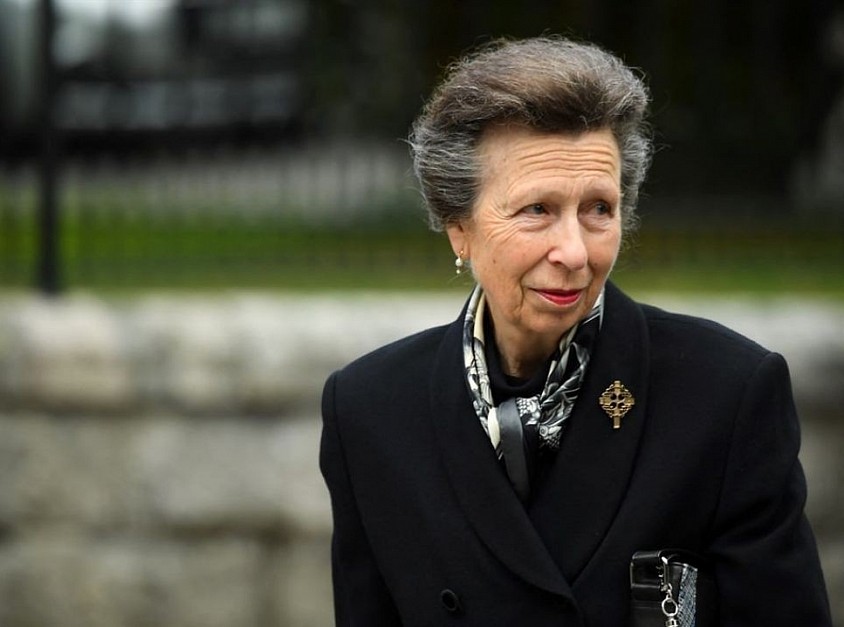
Anne (Princess) Daughter of Elizabeth II👑
21:11
Saturday, 15 August 2026 (BST)
Time in Bath, UK
Princess Anne — her life, culture and work
NEWSN7UK 🇬🇧
Princess Anne, The Princess Royal, was born Anne Elizabeth Alice Louise on 15 August 1950 at Clarence House in London. She is the only daughter of Queen Elizabeth II and Prince Philip and the sister of King Charles III. In June 1987, she was given the title The Princess Royal, a title traditionally given to the monarch's eldest daughter and held for life.
🇬🇧 Her British culture and identity
Princess Anne represents a particularly traditional form of British royal public service. Her work is closely associated with:
Duty and public service — she has carried out public engagements since the age of 18.
British institutions and traditions — including military ceremonies, Remembrance events, universities, sporting organisations and national celebrations.
The Commonwealth — she has travelled extensively overseas, representing Britain and supporting charitable projects.
Equestrian culture — horses and British countryside traditions have been an important part of her life.
Sport — particularly eventing, rugby, sailing and Olympic sport.
Charitable service — especially children's welfare, disability support, healthcare and international development.
The Royal Family describes her as having one of the busiest working schedules among its members.
🐎 Her extraordinary equestrian career
One of Princess Anne's most distinctive achievements is that she was a serious competitive horsewoman, rather than simply a royal associated with horses.
In 1971, she won individual gold at the European Eventing Championships riding Doublet, and she was named BBC Sports Personality of the Year. In 1975 she won two European Championship silver medals.
In 1976, she became the first member of the British Royal Family to compete in an Olympic Games, representing Great Britain in the equestrian three-day event at Montreal.
Her daughter Zara Tindall later followed her into British equestrian sport and won a silver medal at the London 2012 Olympics.
❤️ Charity and humanitarian work
Charity is one of the central parts of Princess Anne's public life.
She became President of Save the Children UK in 1970 and has visited projects supporting children in countries including China, Cambodia, Botswana, Madagascar and the Philippines. She later became the organisation's Patron.
She has also been associated with organisations supporting:
children and families
carers
people with disabilities
healthcare
transport and development in poorer countries
animal welfare
equestrian welfare.
She has been closely involved with the development of organisations including Carers Trust, Transaid and Riders for Health.
♿ Support for disabled people
Princess Anne has had a particularly long relationship with Riding for the Disabled Association (RDA). She became its Patron in 1971 and President in 1985.
The organisation uses riding and carriage driving to provide therapy, fitness, skills development and opportunities for children and adults with disabilities.
🎓 Education and universities
Education is another important part of her work. The Royal Family's current biography says she serves as Chancellor of several universities, including the University of Edinburgh, University of London, Harper Adams University and the University of the Highlands and Islands.
She was also among the first generation of the Royal Family to take and pass A-levels, studying History and Geography.
👑 Her role in the modern monarchy
Princess Anne is a working member of the Royal Family and supports King Charles III by representing him at official events in Britain and abroad.
Her responsibilities include:
attending national ceremonies;
conducting investitures;
visiting charities and organisations;
representing Britain overseas;
supporting military organisations and regiments;
attending major sporting events;
meeting foreign leaders and community representatives;
participating in commemorations and national occasions.
She has also undertaken hundreds of overseas visits and has visited every continent.
🌍 International representation
Princess Anne has played an important role as a British ambassador. Her international work combines diplomacy, Commonwealth relationships and humanitarian activity.
She has undertaken official visits to countries across Europe, Africa, Asia, North America and the Pacific. She was the first member of the Royal Family to make an official visit to Vietnam, and she was also the first to make an official visit to the former Soviet Union in 1990.
🏅 A remarkable working life
Perhaps what distinguishes Princess Anne most is the combination of royal duty, sport, charity and practical public service. She has supported hundreds of organisations and continues to undertake a substantial programme of official engagements.
Her public image is therefore less about glamour and more about discipline, work, tradition and service — qualities that have made her one of the most distinctive members of the modern British Royal Family.
Princess Anne turns 76 today, 15 August 2026. Her 76th birthday marks more than five decades since she began undertaking public duties and more than half a century of charitable and sporting service.
Britain remains politically divided.
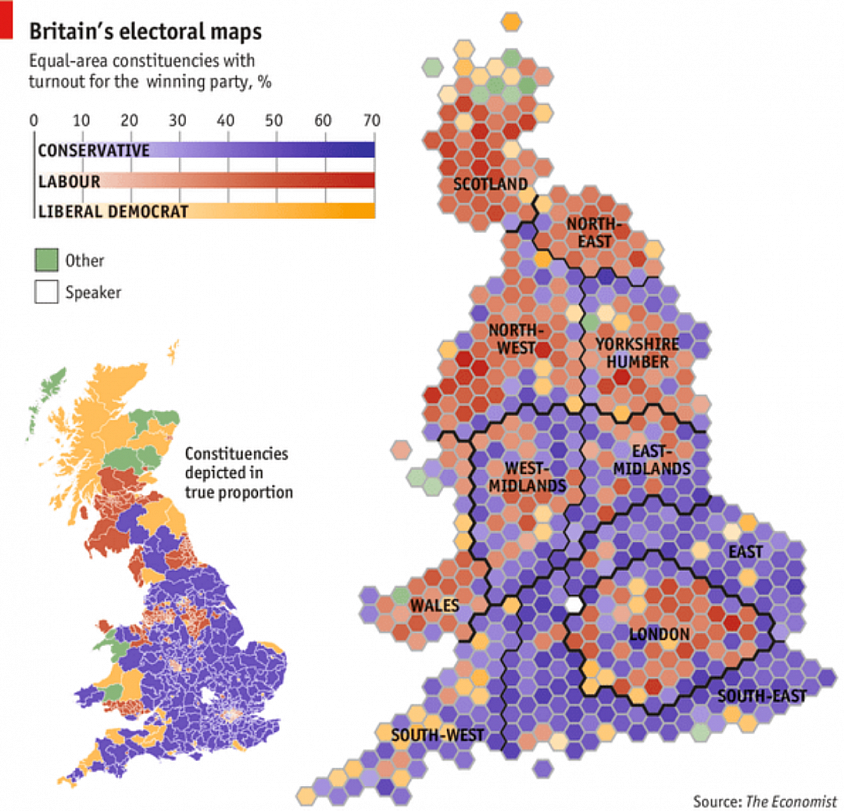
Britain remains politically divided.
Wednesday, 12 August 2026 (BST)
Time in Bath, UK
NEWSN7UK 🇬🇧
The cost of living, taxation, immigration, public services, housing and economic growth are expected to remain central issues for voters.
A short-term rise in polling support will ultimately need to translate into improvements in people's everyday lives if Labour is to maintain its momentum.
Britain remains politically divided
Despite Labour's lead, the latest figures reveal just how volatile British politics has become.
There is no dominant party. Labour has 24%, Reform 22%, and the Conservatives 21%. Together, the three parties account for 67% of voting intention, while the Greens and Liberal Democrats retain significant support.
The figures point towards an electoral environment in which relatively small movements between parties could have major consequences for the eventual distribution of parliamentary seats.
For Burnham, the immediate challenge is therefore not simply to lead the opinion polls, but to turn his early political momentum into sustained public confidence.
For Farage, the task is to halt Reform’s decline and convince voters that the party can move from protest movement to credible governing force.
And for Badenoch, the opportunity is to demonstrate that the Conservatives remain capable of rebuilding their support and challenging both Labour and Reform.
A new political battle
The latest poll marks a striking change from the political picture earlier this year.
Labour has gone from struggling to hold together its electoral coalition to narrowly leading the national poll.
Reform, meanwhile, has lost some of the momentum that previously placed it at the centre of British politics.
The Conservatives are also showing signs of recovery.
With all three parties now separated by only three points, Britain's political battle is entering a new and unpredictable phase.
The next few months could determine whether the “Burnham bounce” becomes a lasting political realignment — or simply a temporary reaction to a change of leadership.
For now, however, Labour has reclaimed the narrowest of national leads.
Britain's political map is once again wide open.
LABOUR OVERTAKES REFORM AS BURNHAM BOOSTS PARTY SUPPORT
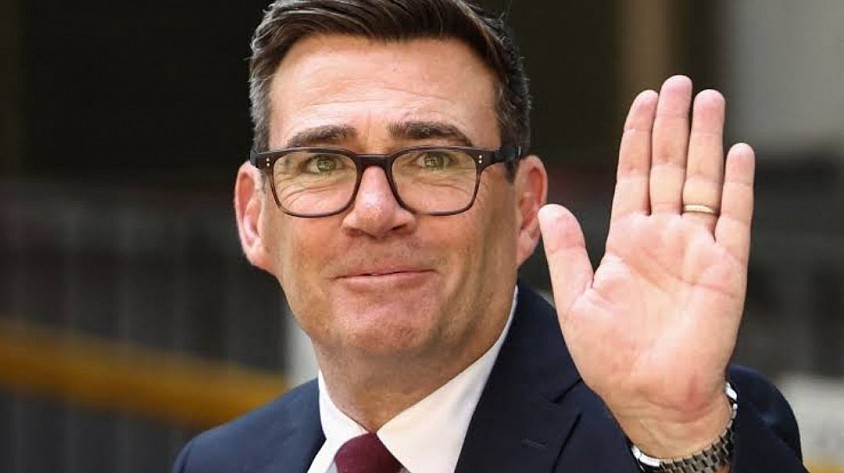
Andy Burnham, British Prime Minister
LABOUR OVERTAKES REFORM AS BURNHAM BOOSTS PARTY SUPPORT
Labour has moved ahead of Reform UK in the latest polling, marking a significant shift in the UK political landscape.
The latest Ipsos polling, reported by LBC, suggests Labour’s position has strengthened under Prime Minister Andy Burnham, while questions remain about whether opposition parties are ready to govern.
Burnham is also recording stronger public satisfaction than Keir Starmer was at a comparable stage of his premiership, highlighting an early “Burnham bounce” for Labour.
Recent polling has already shown Labour moving ahead of Reform, with More in Common recording Labour on 28%, compared with 24% for Reform UK.
📊 Political momentum is shifting — but whether Labour can maintain its lead remains the key question.
🇬🇧 NEWSN7UK — Breaking stories. United voices.
Andy Burnham's latest speech on Gaza
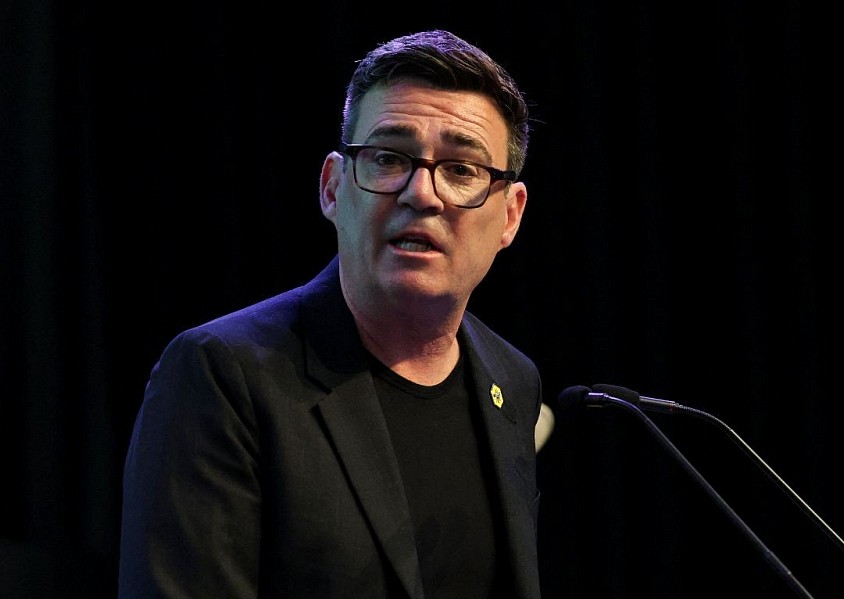
Andy Burnham Prime Minister of the United Kingdom
Andy Burnham’s recent speech on Gaza included several key points:
He said he was “utterly shocked” by the devastation in Gaza and the human suffering.
He acknowledged that the Labour Party’s initial response to the Gaza war “was not right” and apologized, saying the UK was too slow to call for a ceasefire.
He condemned Hamas’s attacks on October 7, 2023, while also criticizing the Israeli government’s handling of the war, settlement expansion in the West Bank, and actions he said undermined the possibility of a two-state solution.
He said there was growing evidence of war crimes in Gaza, but stressed that any legal decision should be made by international courts, not politicians.
He pledged to work with international partners to keep the two-state solution alive, describing it as the only way to achieve lasting peace for Israelis and Palestinians.
Developments in Britain with the British Prime Minister Andy Burnham
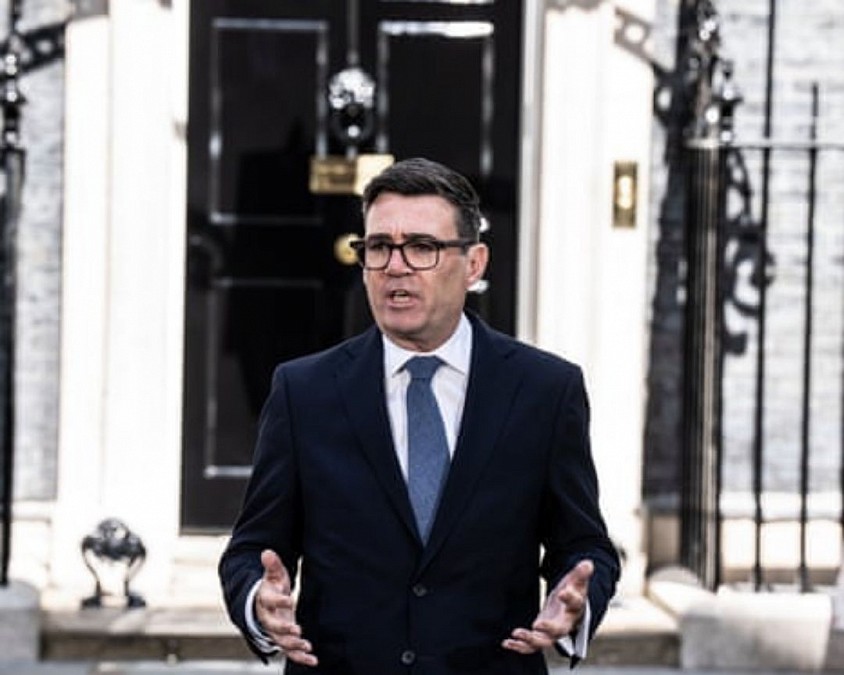
Andy Burnham, British Prime Minister
09:00
Thursday, 23 July 2026 (BST)
Time in Bath, UK
NEWSN7UK 🇬🇧
Latest Political News
Here are some of the latest major political developments:
UK Prime Minister Andy Burnham has announced a review of the early prisoner release scheme following public concerns. The government says it wants to ensure public safety while addressing prison overcrowding.
The new government has also introduced a £2 single bus fare cap across England, presenting it as part of its cost-of-living agenda, although opposition parties and aid groups have criticised how the policy will be funded.
In his first speech as Prime Minister, Andy Burnham pledged to tackle the cost of living, revive industry, decentralise power, and "bring back hope" to the UK.
On foreign affairs, the UK government says it is working with international partners to reduce tensions between the United States and Iran, while ministers have also voiced criticism of Israel's military actions in Gaza.
David Lammy: I will do my best to defeat the Reform Party again in the next general election.
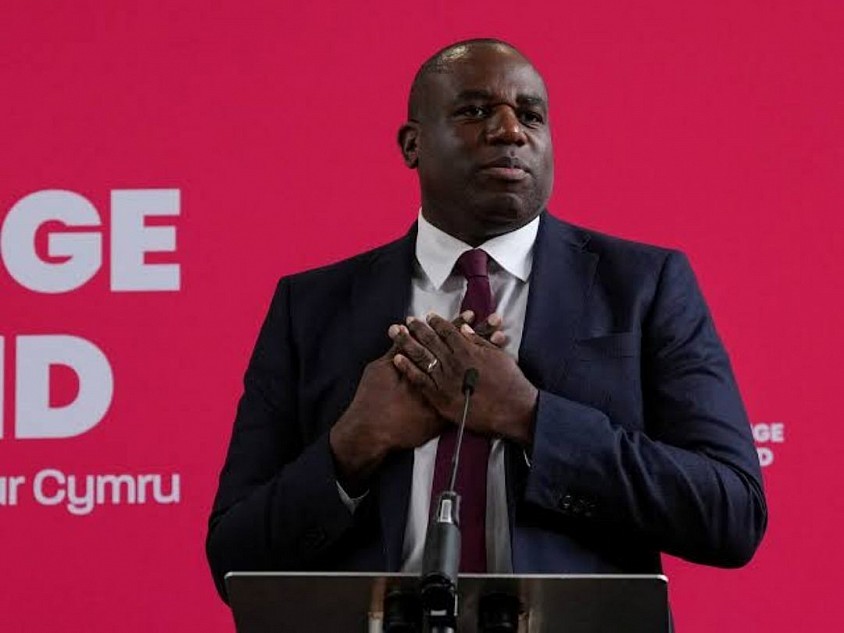
David Lammy Deputy Prime Minister of the United Kingdom
It has been a great honor, coming from humble beginnings in Tottenham, to serve in government as Foreign Secretary, Justice Secretary, and Britain’s first Black Deputy Prime Minister under Keir Starmer.
I am immensely proud of what we have achieved, both in opposition and in government.
As Foreign Secretary and Deputy Prime Minister, I helped rebuild Britain’s relationships with our European allies after the disastrous Brexit years, stood firmly by Ukraine in its darkest hour, championed a new, equal partnership with the Global South, and was proud to play a leading role in Britain’s recognition of the State of Palestine.
I worked to solidify the special relationship with the United States in a new era and strengthened our partnerships with the Gulf States and India to deliver trade, growth, and security for the British people.
As Minister for Justice, I allocated record investments to our courts to reduce the backlog of cases for victims of long delays in obtaining justice. I introduced reforms to save our prisons from collapse and prevent future overcrowding, invested heavily in probation and victim support, and helped bring the Hillsborough Act to fruition.
I also established a new approach to promoting diversity in our judiciary and made the Ministry of Justice a leader in harnessing the potential of artificial intelligence.
I would have been proud to continue serving in the Cabinet. However, the new Prime Minister has the right to form his own team, and I wish @AndyBurnham and the new Cabinet every success.
I will continue to serve the good people of Tottenham, support this Labour government from Parliament, and do everything I can to defeat Reform again in the next general election.
Nigel Farage's withdrawal from the UK Parliament
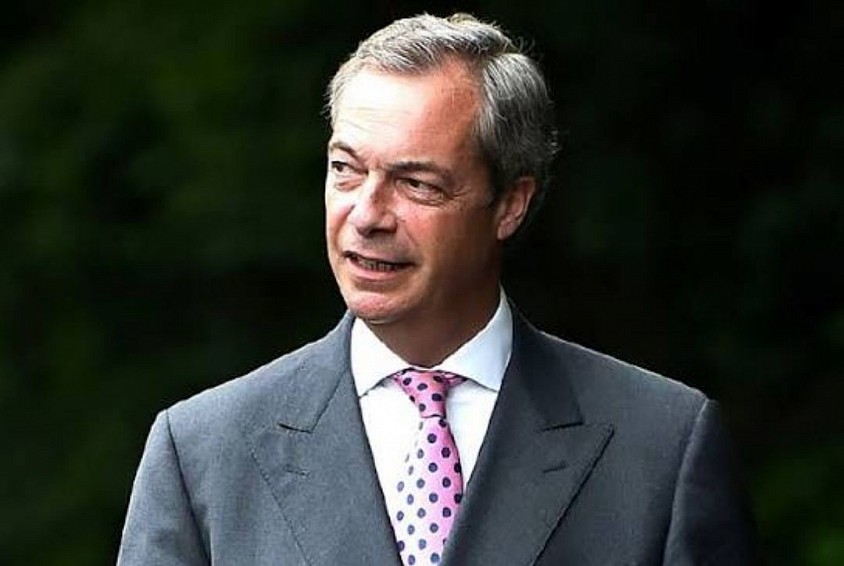
Nigel Farage Member of Parliament of the United Kingdom
18:29
Tuesday, 7 July 2026 (BST)Time in Bath, UK
Key political developments in the UK today.
NEWSN7UK🇬🇧
Nigel Farage has announced his resignation as the MP for Clacton, triggering a by-election. Farage described the election as a battle between "the people and the establishment," saying he wants Clacton voters to judge him directly.
This move comes amid scrutiny Farage faces over allegations concerning his financial disclosures and political donations. Farage denies any wrongdoing and says the by-election is an opportunity to gain a fresh mandate from his constituents.
The announcement has sparked strong reactions in the British political arena:
Keir Starmer described the move as a "desperate attempt" and accused Farage of trying to deflect attention from the ongoing controversy.
Other parties, including Labour, the Conservatives, the Liberal Democrats, and the Green Party, are also expected to contest the by-election.
The date for the Clacton by-election has not yet been confirmed, but it is expected to take place in the coming weeks.
Keir Starmer: Children across England will get free bus rides in August.
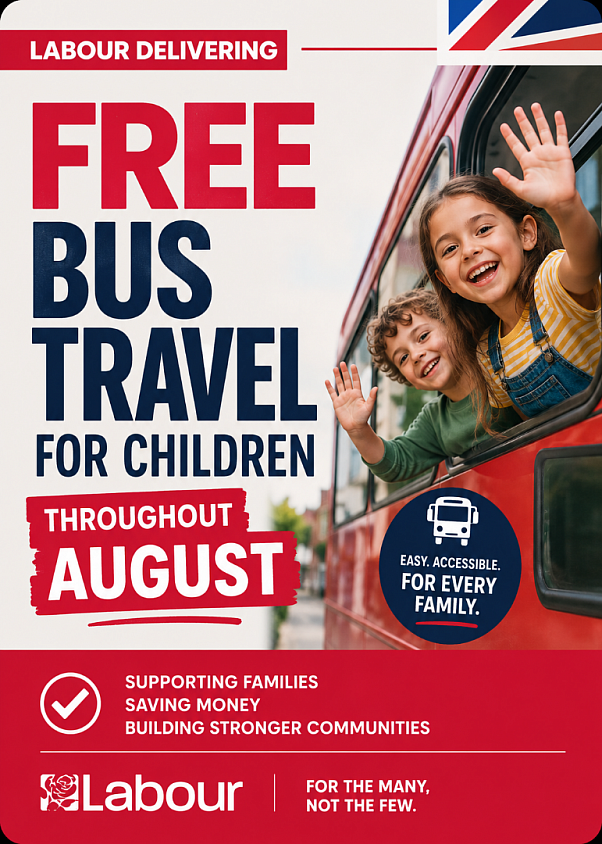
Supporting families | Saving money | Building stronger communities🌹
Saturday, 23 May 2026 (BST)
Time in Bath, UK
Newsn7uk 🇬🇧:
The recently announced Great British Summer Savings Scheme is a major event for families ahead of the school holidays.
Here’s a brief explanation of how the scheme works and its scope within the Living Costs Support Package.
Free Bus Travel Scheme
Eligibility: All children aged 5-15 in England.
✨Dates: August 1-31
Conditions: Unlimited journeys on participating local transport buses. No registration or pre-registration required.
Expected Savings: The Treasury estimates that a family with two children taking a typical weekly return journey (based on an average child fare of £1.50) will save around £27 per month.
*Funding: The government is allocating over £100 million to fund free journeys and provide operational support to participating bus companies.
This nationwide expansion follows a local pilot program (“Kids Travel Free”) launched by the West of England Regional Authority, which recorded nearly 1.4 million free journeys during various holiday periods. This program aligns with similar transport policies in place elsewhere in the UK, such as free bus service in Scotland for those under 22.
# The Wider Context of “Summer Savings”
The free transport policy is part of a wider emergency cost-of-living intervention, spearheaded by Prime Minister Keir Starmer and Chancellor Rachel Reeves, primarily aimed at easing the growing pressure on households due to global economic tensions.
In addition to the bus fare reductions, this package includes:
*Targeted tariff reductions on food:* A suspension of tariffs on more than 100 everyday food products, including biscuits, chocolate, dried fruit, and nuts, to reduce prices at supermarkets.
Targeted tariff reductions on food: Customs duties have been suspended on more than 100 everyday food products, including biscuits, chocolate, dried fruit, and nuts, with the aim of reducing prices in supermarkets.
*VAT reductions for the entertainment sector: A temporary reduction in VAT applies to children's meals in restaurants, children's cinema and theater tickets, and entrance fees to family entertainment venues such as amusement parks and indoor play centers.
*Exemptions for the automotive sector: The 5p fuel surcharge remains frozen until the end of the year, in addition to a 12-month tax holiday for vehicles used by transport companies, and a one-third reduction in the red diesel surcharge for farmers.
Keir Starmer: "I promised to fix our crumbling railways."
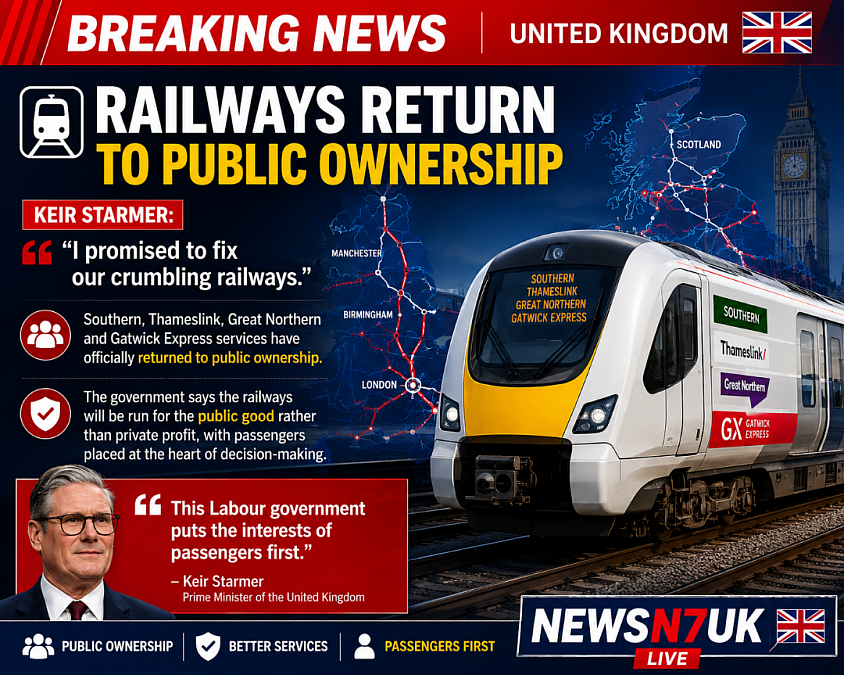
🚆 Return of railways to public ownership
Sunday, 31 May 2026 (BST)
Time in Bath, UK
NEWSN7UK 🇬🇧
🚆 Rail returns to public ownership
✨Keir Starmer: "I promised to fix our crumbling rail network."
Today, Southern, Thameslink, Great Northern, and Gatwick Express rail services returned to public ownership.
The Labour government says the network will now be run for the public good rather than private profit, with the interests of passengers at the heart of decision-making.
Quote box: "This Labour government puts the interests of passengers first." - Keir Starmer
NEWSN7UK 🇬🇧
The Labour Party places great importance on providing job opportunities for young people.
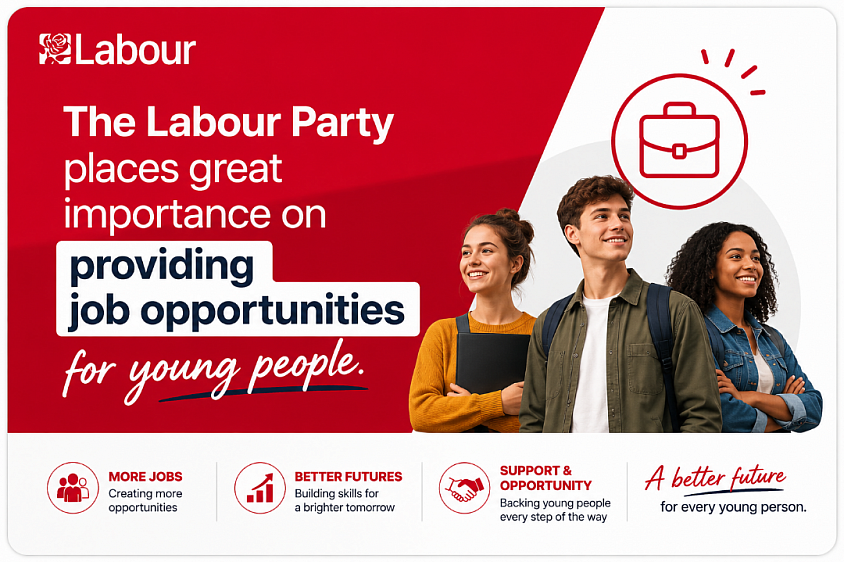
Labour Party: Creating more opportunities🌹
Sunday, 24 May 2026 (BST)Time in Bath, UK
Newsn7uk 🇬🇧
Keir Starmer says his government is focusing heavily on getting young people into work through jobs, apprenticeships, training schemes, and employment guarantees.
Some of the main measures being promoted by the Labour government include:
A £1 billion youth employment drive aimed at creating around 200,000 jobs and apprenticeships for young people across the UK.
Expanding the “Youth Guarantee” programme so young people aged 18–21 are either earning, learning, in training, or in work placements.
Offering businesses up to £3,000 to hire unemployed young workers as an incentive to create more opportunities.
Increasing investment in apprenticeships and technical colleges, with promises to expand vocational education and skills training.
Creating stronger links with Europe through proposed youth work and study schemes that would allow young people to work, study, and gain experience abroad.
Starmer has argued that many young people were “let down” by previous systems and says Labour wants to build “practical routes into work” rather than relying only on university education.
The government is also responding to growing concern over rising youth unemployment and the number of young people not in education, employment, or training (NEETs), which recent reports describe as a major national challenge.
Britain’s Political Earthquake: Can Keir Starmer Survive Labour’s Growing Revolt?
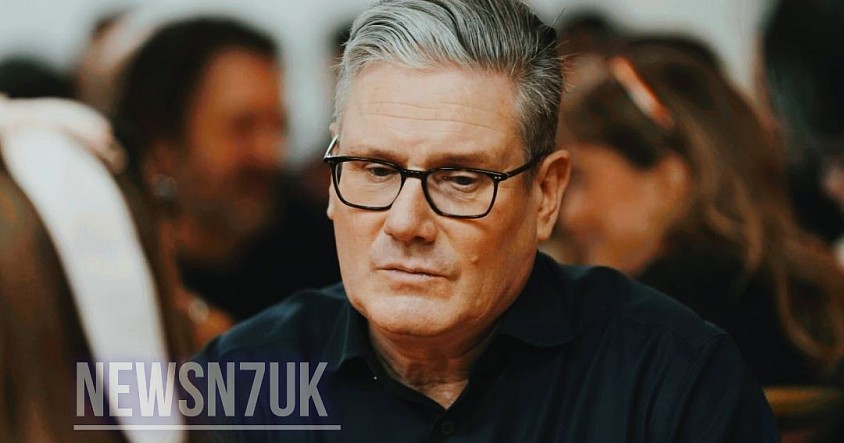
A thoughtful and profound look | Keir Starmer
Sunday, 10 May 2026 (BST)
Time in Bath, UK
- Britain’s Political Earthquake: Can Keir Starmer Survive Labour’s Growing Revolt?
By NEWSN7UK Political Desk – May 2026
British politics has entered one of its most dramatic periods in recent years. Prime Minister Sir Keir Starmer is facing mounting pressure from within his own Labour Party after devastating local election results across England, Wales, and Scotland. What began as disappointment over council losses has now developed into a serious debate about Starmer’s future as leader.
More than 100 Labour councillors and former candidates have reportedly signed an open letter demanding an “orderly transition” of power. Senior MPs are questioning whether the Prime Minister can still lead Labour into the next general election, while political rivals — especially Reform UK — continue gaining momentum.
The crisis marks a major turning point in British politics and raises an important question: is Labour facing a temporary setback, or the beginning of a deeper political collapse?
A Crushing Election Night
The 2026 local elections delivered a severe blow to Labour.
Across England, the party lost hundreds of council seats, many of them in traditional Labour strongholds that had supported the party for decades. In Wales, Labour’s long-standing political dominance suffered historic damage, while Scotland also saw disappointing results.
Meanwhile, Reform UK made dramatic gains, particularly in working-class regions of northern England and the Midlands. The party successfully attracted frustrated voters concerned about immigration, the economy, and the rising cost of living.
Political analysts described the election results as more than a protest vote. Many believe the results reflected growing public dissatisfaction with the government’s inability to deliver rapid improvements after entering office.
For Starmer, the election results were particularly painful because Labour had returned to power with promises of stability, economic growth, and national renewal. Instead, many voters now feel disappointed by slow progress on public services, housing, wages, and inflation.
Internal Revolt Inside Labour
Following the election losses, criticism inside Labour intensified rapidly.
A group of councillors and former candidates publicly demanded that Starmer announce a timetable for stepping down. Some MPs argued that Labour risked handing future elections to Nigel Farage and Reform UK if the party failed to change direction.
Several senior figures within the party reportedly want a leadership transition before the next general election. Although no official leadership contest has begun, discussions about potential replacements are already taking place behind the scenes.
The name most frequently mentioned is Andy Burnham, the Mayor of Greater Manchester. Burnham remains popular among many Labour activists and is viewed by supporters as someone capable of reconnecting with working-class voters.
Others believe former Prime Minister Gordon Brown’s return as an adviser signals growing concern at the top of the party.
However, Starmer’s allies continue defending him. Cabinet ministers insist changing leaders during a difficult political period would create instability and further damage the party.
Why Are Voters Turning Away?
The Labour government entered office promising competence and calm after years of Conservative turmoil. Yet many voters now say they feel disconnected from the government’s message.
Several issues appear to be driving public frustration:
1. Cost of Living
Although inflation has slowed compared with previous years, many families still struggle with rising food prices, housing costs, and energy bills.
2. Immigration Debate
Immigration has become one of the most powerful political issues in Britain. Reform UK has used the topic aggressively, accusing both Labour and Conservatives of failing to control borders.
3. Weak Economic Growth
Economic recovery has remained slower than expected. Businesses continue facing pressure, and many workers say their wages are not keeping pace with living costs.
4. Public Services
The National Health Service, local councils, and transport systems continue experiencing financial pressure. Long waiting times and service reductions have damaged public confidence.
5. Political Trust
Some Labour supporters believe Starmer has moved too far toward the political center and abandoned traditional Labour values. Others argue he has failed to inspire voters emotionally.
Reform UK’s Rise Changes British Politics
Perhaps the most important development from the elections was the rapid growth of Reform UK.
Led politically by Nigel Farage’s influence and anti-establishment messaging, Reform UK has successfully positioned itself as the voice of frustrated voters. The party has especially benefited from anger directed at both Labour and Conservatives.
For decades, British politics was largely dominated by two major parties. But recent elections suggest the political system is fragmenting.
The Greens have gained support on the left. The Liberal Democrats remain strong in some southern areas. Nationalist parties continue influencing Scotland and Wales. And Reform UK is reshaping the political right.
This fragmentation creates enormous pressure on Labour because voters now have multiple alternatives.
Can Starmer Recover?
Despite the pressure, Keir Starmer has refused to resign.
The Prime Minister says he accepts responsibility for the losses but insists he remains focused on delivering long-term change. His supporters argue that governments often suffer losses in local elections and that national elections are different.
Some Labour strategists believe the crisis could still be contained if the government improves economic conditions over the next two years.
Others are less optimistic.
Critics inside the party argue that Starmer lacks political charisma and has failed to create a strong emotional connection with voters. They fear Labour could face an even bigger defeat in the next general election if public frustration continues growing.
The coming months may therefore become decisive for Starmer’s political survival.
Britain at a Political Crossroads
The turmoil inside Labour reflects a wider problem across Britain: public trust in politics is weakening.
Many voters no longer feel loyal to traditional political parties. Economic anxiety, immigration debates, cultural divisions, and frustration with public services are reshaping the country’s political identity.
The rise of Reform UK, growing support for smaller parties, and Labour’s internal divisions all suggest Britain may be entering a new political era — one defined by fragmentation and instability.
Whether Keir Starmer survives or not, the events of May 2026 may ultimately be remembered as the moment British politics changed direction.
Conclusion
Sir Keir Starmer now faces the greatest challenge of his leadership.
The Prime Minister must not only rebuild public trust but also prevent a rebellion within his own party. Labour’s election losses have exposed deep frustrations among voters and serious concerns among party members.
At the same time, Reform UK’s rise demonstrates that British politics is becoming increasingly unpredictable.
For now, Starmer remains in Downing Street.
But with pressure growing by the day, Britain may soon witness another major political battle — one that could reshape the future of the Labour Party and the country itself.
