
NEWS
🔴 Ben-Gvir Threatens to Execute Long-Term Palestinian Prisoner Hassan Salameh During Prison Visit
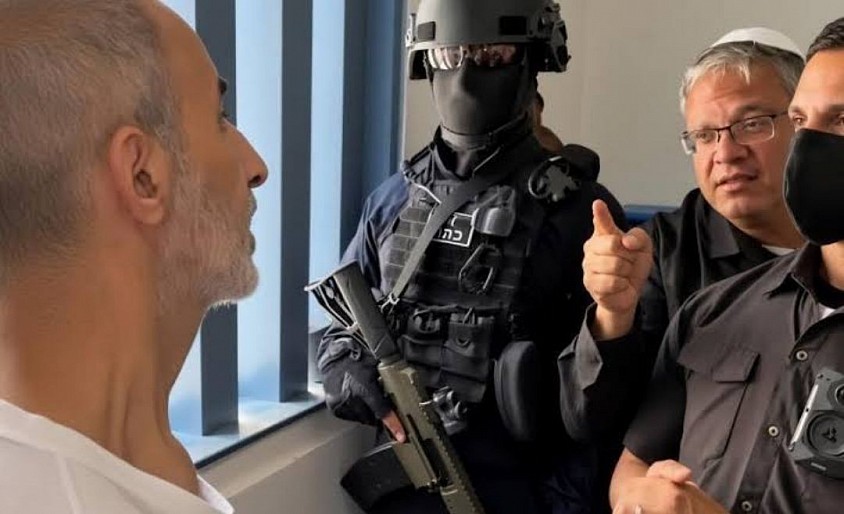
Ben-Gvir Threatens Palestinian Prisoner With Execution
🔴 BREAKING — Ben-Gvir Threatens Palestinian Prisoner With Execution
NEWSN7UK 🇬🇧
Israeli National Security Minister Itamar Ben-Gvir has published footage showing him confronting Palestinian prisoner Hassan Salameh inside an Israeli prison and telling him: “I want to kill you. I want to put you to death.”
Salameh, a senior Hamas/Qassam Brigades figure, has been imprisoned by Israel since 1996 and is serving multiple life sentences following convictions related to attacks in Jerusalem in the 1990s. Israeli authorities attribute dozens of deaths to those attacks.
Ben-Gvir said the encounter took place around two weeks before he released the video. He also stated that if he becomes defence minister, he would seek to implement executions of Palestinian prisoners.
The Palestinian Prisoner's Society condemned the footage, describing it as part of a broader pattern of threats against Palestinian prisoners. Hamas also condemned the threat and said it signalled potential new crimes against detainees.
The incident comes after Israel's Knesset approved legislation in March 2026 allowing the death penalty in specified cases involving Palestinian prisoners convicted of deadly attacks.
NEWSN7UK headline:
🔴 Ben-Gvir Threatens to Execute Long-Term Palestinian Prisoner Hassan Salameh During Prison Visit
BREAKING NEWS | KHALIL REAFFIRMS LOYALTY TO ARAB AND ISLAMIC NATION
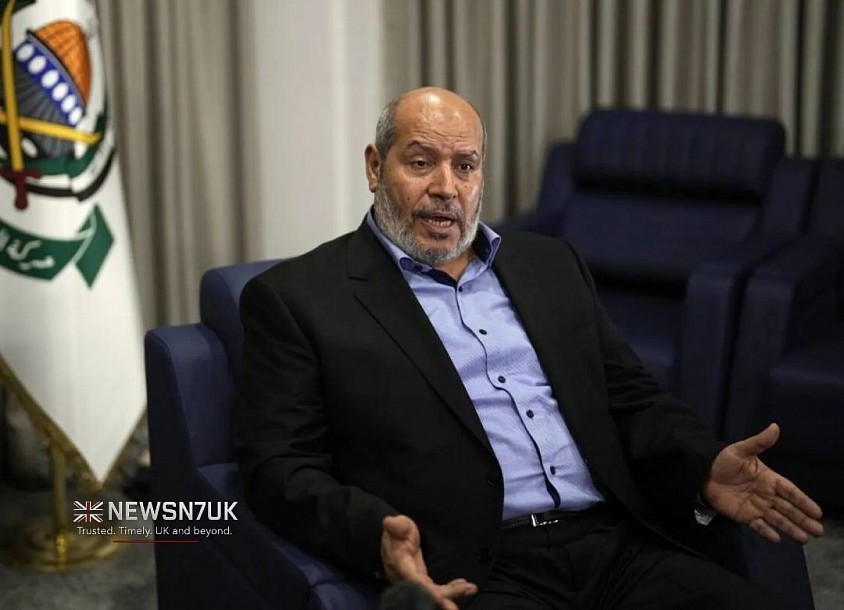
Khalil al-Hayya Member of the Palestinian Legislative Council, Head of the Islamic Hamas Movement
🔴 BREAKING NEWS | KHALIL REAFFIRMS LOYALTY TO ARAB AND ISLAMIC NATION
Dr Khalil has issued a strongly worded message reaffirming what he described as his loyalty to the Arab and Islamic nation and its people, while also declaring that “Hamas is loyal to this nation.”
In remarks broadcast on Al-Arabiy TV, Dr Khalil said:
“Hamas is loyal to this nation.”
He added:
“I am loyal to this Arab and Islamic nation and its people.”
The comments were delivered as part of a message presented as expressing solidarity with humanity and the people of the region.
Dr Khalil also referred to the Yemeni News Agency, addressing developments and the wider situation in Yemen. His remarks come amid continuing regional tensions and international attention on Yemen, the Red Sea and the wider Middle East.
The statements represent Dr Khalil’s own publicly expressed position. The remarks concerning Hamas and Yemen remain statements attributed to him and should not be treated as independent confirmation of events or political developments.
NEWSN7UK 🇬🇧
Breaking stories. United voices.
Nepal’s Rasuwa recovery enters a critical phase
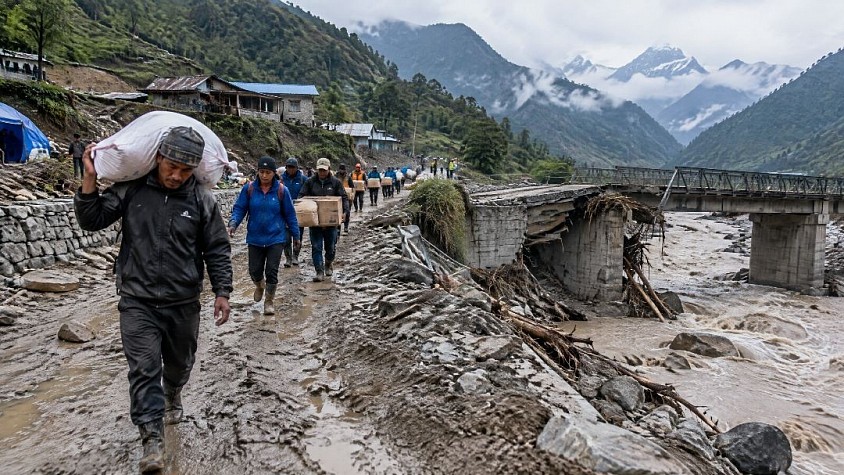
Editorial image commissioned by NEWSN7UK · A respectful visual interpretation of recovery work
epal’s Rasuwa district is moving from rescue to a much harder phase: keeping people supplied while the roads, bridges and communications links that connect the mountains remain damaged. The disaster on 26 August affected the Nepal–China border area and neighbouring districts, leaving communities dependent on relief corridors that are still fragile.
A disaster that changed the map overnight
The initial surge carried water, mud and debris through mountain settlements and infrastructure. Early accounts described an ice-and-rock collapse or related cascading event, but the physical trigger remains under investigation. The human consequences are clearer: Nepal’s disaster authority, cited by the UN Office for the Coordination of Humanitarian Affairs, recorded 1,356 deaths, 4,894 people missing and 13,396 rescues as of 7 September.
The last mile is still the hardest
OCHA reported displaced people living across 37 sites in Nuwakot, Rasuwa, Dhading and Kathmandu. Collapsed bridges and damaged roads have restricted access, with helicopters still the only route to some communities. In a disaster response, that changes everything: the work is no longer only about finding survivors, but about getting water, shelter, medicines and food through terrain that has lost its ordinary routes.
Power, roads and the recovery bill
The damage extends beyond homes and roads. Reuters reported that the disaster wiped out about a tenth of Nepal’s generation capacity and swept away more than 12 hydropower plants. India approved temporary power exports to Nepal, but emergency electricity arrangements cannot replace the longer reconstruction of the network. The UN’s Flash Appeal seeks US$49.6 million to assist 84,270 people through the end of the year.
What comes after the cameras leave
Rasuwa’s recovery will be measured in months rather than news cycles. It will require safe access, functioning schools and clinics, compensation for families, and infrastructure designed for a changing mountain environment. For now, the priority is reach: the communities that remain cut off are also the ones most at risk of disappearing from the public view.
Reporting note
Casualty, missing-person and rescue totals are time-stamped figures attributed to Nepal’s disaster authority through OCHA. The physical cause and final toll remain subject to further investigation and updates. The image is an editorial visual commissioned for NEWSN7UK and is not a photograph of the specific event.
The Trump administration is preparing a $2.8 billion arms package for Israel, including 40,000 2,000-pound bombs.
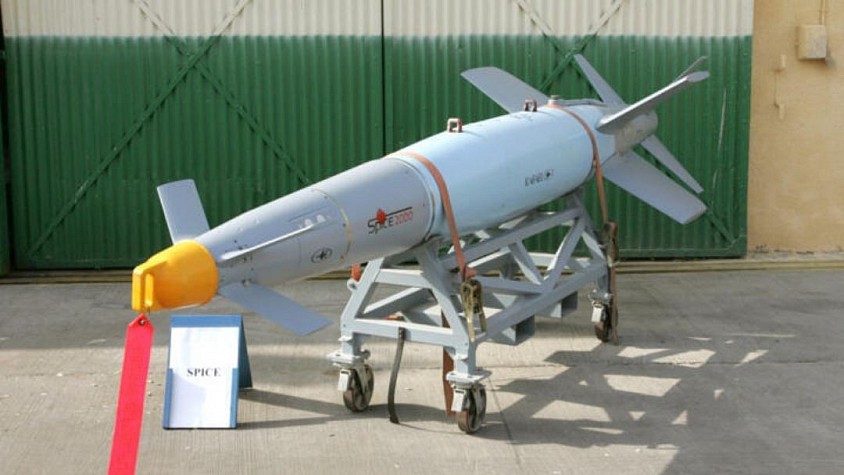
Spice 2000 missiles
🔴On September 15, 2026, The Washington Post reported that the Trump administration was preparing a $2.8 billion arms package for Israel.
🔴The package reportedly included 40,000 bombs, each weighing approximately 907 kilograms:
20,000 MK-84 bombs
20,000 BLU-117 bombs
It also included 20,000 I-2000 Penetrator warheads.
🔴Congress was informally notified, but U.S. officials described the package as not yet finalized.
🔴The Associated Press independently reported the same figure: $2.8 billion for 40,000 bombs.
🔴The Israeli newspaper Yediot Aharonot (Ynet) also published a report on the proposed package.
🔴 NEWSN7UK 🇬🇧 reports:
◾The Trump administration is preparing a $2.8 billion arms package for Israel, including 40,000 2,000-pound bombs.
These bombs are among the heaviest conventional aerial munitions in the shipment. A previous shipment of these bombs was halted by Biden in 2024 due to concerns about civilian casualties in Gaza. Trump lifted the ban in 2025.
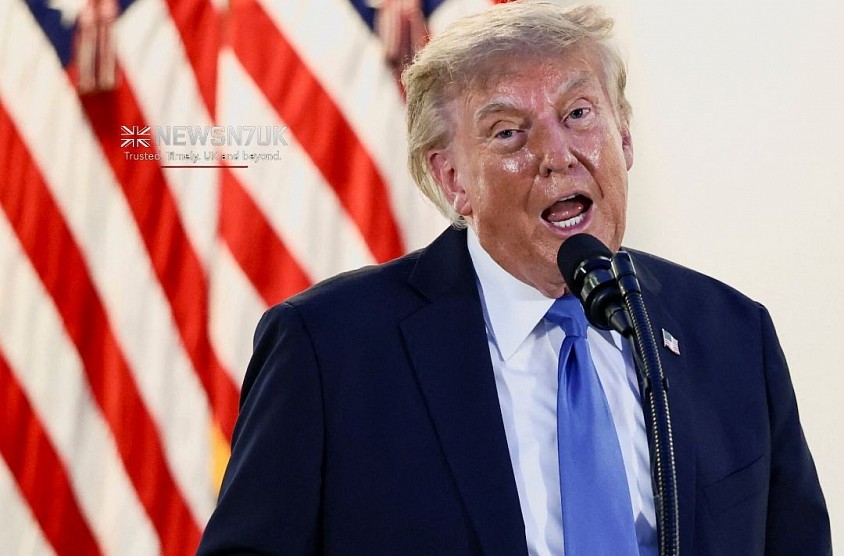
TRUMP PROMISES $5,000 “DIVIDEND” TO AMERICANS
NEWSN7UK 🇬🇧
🇺🇸 BREAKING — TRUMP PROMISES $5,000 “DIVIDEND” TO AMERICANS
President Donald Trump has pledged to issue a $5,000 payment to every adult U.S. citizen if Republicans retain control of both the House of Representatives and Senate in the November 2026 midterm elections. He announced the proposal at the Republican midterm convention in Dallas on September 9.
Trump described the payment as a “Trump dividend”, arguing it would be possible because of what he called the country's economic success. He said the money would have to be spent in the United States.
However, major questions remain:
💰 Funding: Trump has not explained how the payments would be financed.
📊 Cost: With roughly 245 million adult U.S. citizens, the programme could cost more than $1.2 trillion.
🏛️ Congress: The proposal would require congressional approval for the government to spend the money; it cannot simply be implemented by presidential promise alone.
⚖️ Political controversy: Critics have questioned whether tying the payment to a Republican electoral victory amounts to an attempt to influence voters.
NEWSN7UK angle: This is a genuine Trump campaign pledge, not an approved $5,000 government payment. Its funding, eligibility rules and implementation remain unresolved.
Zelenskyy says Russian strikes disrupted US envoys’ planned flight to Kyiv
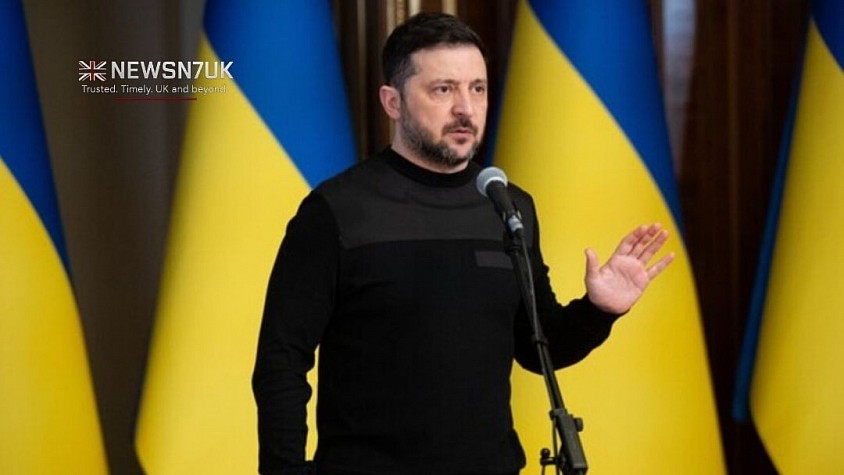
Ukrainian President Volodymyr Zelensky
🇺🇦 BREAKING: Zelenskyy says Russian strikes disrupted US envoys’ planned flight to Kyiv
NEWSN7UK 🇬🇧
Ukrainian President Volodymyr Zelenskyy says Russian strikes prevented US President Donald Trump’s envoys, Steve Witkoff and Jared Kushner, from flying into Kyiv, despite Ukraine having prepared its airports to receive them.
Zelenskyy said the Russian attacks effectively made air travel impossible, forcing the US delegation to travel to Kyiv by train from Poland instead.
The talks are now being conducted in several rounds. Zelenskyy said the first session would involve the Ukrainian and US teams, followed by an expanded session with European national security advisers from Britain, France and Germany, with further important meetings expected.
The first Ukraine-US round has now concluded, with the second, expanded round involving the European advisers due to follow.
Witkoff and Kushner's Kyiv visit follows more than three hours of talks with Vladimir Putin in Moscow on Saturday. The White House described those discussions as substantive, but no breakthrough was announced.
The key issue: Washington is trying to revive negotiations, but major disagreements over territory, security guarantees and the terms of a lasting settlement remain unresolved.
NEWSN7UK headline:
🇺🇦 BREAKING: Zelenskyy Says Russian Strikes Blocked Trump Envoys’ Flight to Kyiv as Ukraine-US Peace Talks Begin in Rounds
Latest US–Iran developments — 31 August 2026
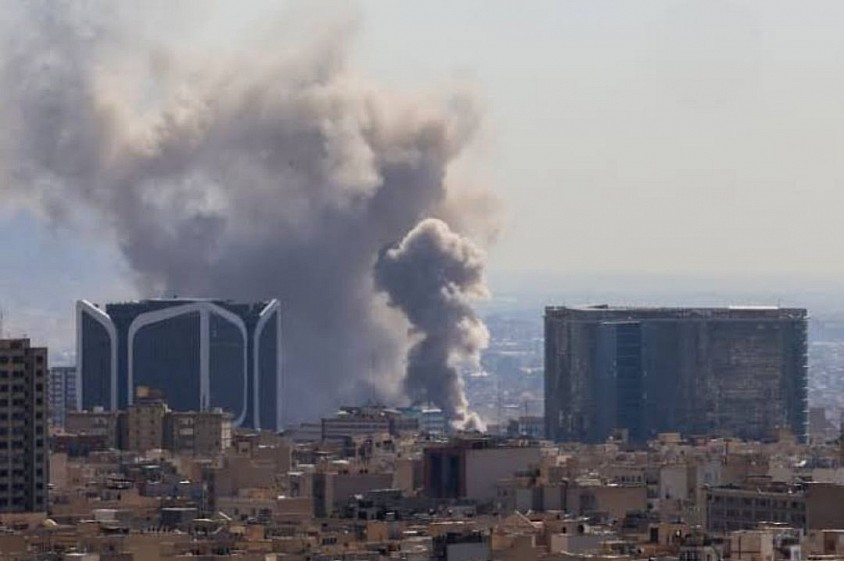
Archive photo
🇺🇸🇮🇷 Latest US–Iran developments — 31 August 2026
The situation has escalated sharply in the past 24 hours, with the first direct exchange of attacks between the US and Iran in about a month.
🇺🇸 US strikes Iran: US forces attacked Iranian rocket-launching sites on Larak Island in the Strait of Hormuz. Washington says Iranian forces were preparing to deploy rockets and sea mines that could threaten shipping.
🇮🇷 Iran retaliates: Iran launched ballistic missiles toward US military positions in Jordan. Jordan said it intercepted eight missiles; US officials said the attacks did not cause the major damage Tehran claimed.
🇦🇪 UAE on alert: The UAE says it intercepted an Iranian drone over its territorial waters. Abu Dhabi also rejected Iranian claims that the Al Minhad airbase had been attacked.
⚠️ Trump threatens further action: President Donald Trump has warned that the US could respond forcefully to Iran's attacks. He also posted a video claiming Iran's Kharg Island was being destroyed, but Reuters reports the video was AI-generated and there is no independent evidence that Kharg was attacked.
💰 Economic pressure intensifies: Treasury Secretary Scott Bessent says Washington will impose weekly secondary sanctions targeting Iranian financial networks, beginning with banks. He has warned that Iran could face severe economic consequences within months.
🛢️ Oil and Hormuz: The renewed confrontation has pushed oil prices higher. Brent crude settled around $90 a barrel, with the Strait of Hormuz remaining the major flashpoint because it carries a large share of global oil shipments.
🕊️ Iran still signals diplomacy: Iranian President Masoud Pezeshkian said Tehran remains interested in a negotiated end to the war, despite the latest military escalation.
🚨 Bottom line
The US–Iran conflict is entering another dangerous phase. The immediate concern is whether the strikes around the Strait of Hormuz lead to a wider campaign involving US forces, Iranian missile attacks, Gulf states and disruption of international shipping.
There is no confirmed evidence at this point that the US has attacked Kharg Island, despite Trump's claim.
🔴 UN WARNING: CIVILIANS, SHELTER, FOOD & MEDICAL CARE| GAZA
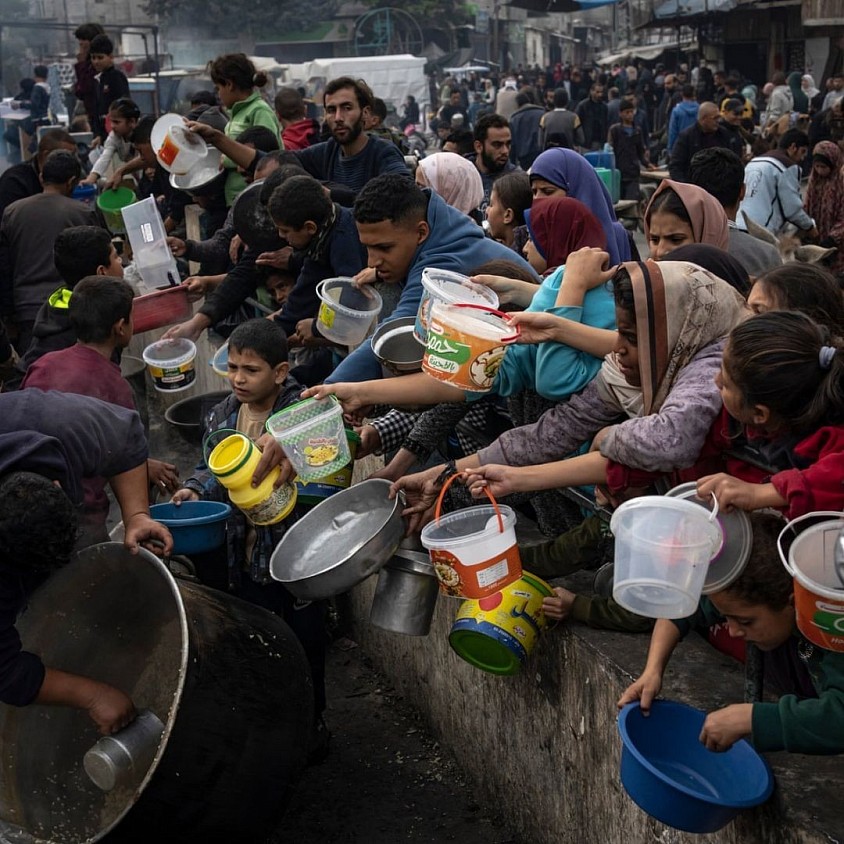
Famine in Gaza: no food, no water, no shelter
🇵🇸 NEWSN7UK — GAZA HUMANITARIAN ALERT
🔴 UN WARNING: CIVILIANS, SHELTER, FOOD & MEDICAL CARE
The latest UN briefing to the Security Council on 26 August says conditions in Gaza remain “intolerable,” with civilians facing severe access restrictions and worsening humanitarian needs. More than 100 Palestinians were reported killed and over 400 injured during the reporting period.
🏚️ SHELTER — A NEW WINTER WARNING
The UN says around two-thirds of Gaza remains inaccessible or subject to severe restrictions. Shelter and non-food-item stocks are depleted, while humanitarian agencies warn that Gaza must not face another winter in cold tents. Winterisation supplies need to enter urgently.
🍞 FOOD — SERIOUS FOOD INSECURITY
The humanitarian response continues to face shortages, restricted access and funding problems. Recent reporting indicates that nearly 1.4 million people in Gaza face acute food insecurity, while agricultural production has been devastated and access to farmland remains severely restricted.
🏥 MEDICAL SUPPLIES — HEALTH SYSTEM UNDER EXTREME STRAIN
A new UNRWA assessment says Gaza's health system remains severely degraded, with shortages of medicines, medical supplies, fuel and healthcare workers. No health facility had returned to full functionality despite the ceasefire, according to the August assessment.
WHO's latest Gaza health-services monitoring also continues to document major gaps in the availability and functionality of essential health services.
💧 WATER, SANITATION & ELECTRICITY
The UN is calling for the restoration of water, sewage, waste-management and electricity systems, warning that fuel and engine oil need to enter Gaza at scale to keep essential services functioning.
🚨 NEWSN7UK WATCH — NEXT 6–12 HOURS
The critical questions are:
Will additional humanitarian supplies be allowed into Gaza?
Will shelter stocks and winterisation materials reach displaced families?
Will medical supplies and fuel enter at sufficient scale?
Will attacks further restrict humanitarian operations?
Will the UN or aid agencies issue a new emergency warning?
NEWSN7UK assessment: The humanitarian crisis is not simply about getting some aid into Gaza — the UN is warning that access, shelter, healthcare infrastructure, fuel and basic services all need sustained restoration.
🇵🇸 **Civilians need protection. Aid needs access. Hospitals need supplies.**
The Russian-Ukrainian war has entered another extremely dangerous phase.
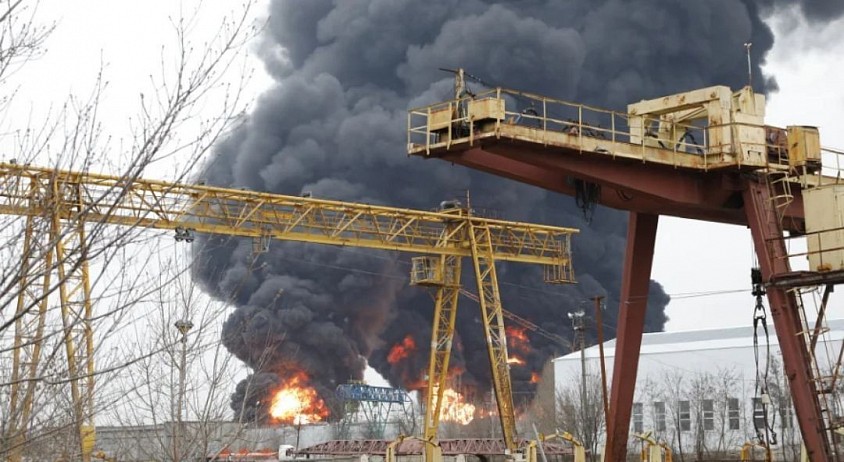
Russia-Ukraine war continues
As of Thursday, 27 August 2026, the Russia–Ukraine war is entering another particularly dangerous phase. The latest reporting points to intensified Russian attacks, stronger Ukrainian strikes deep inside Russia, and peace diplomacy that remains stuck.
🇺🇦🇷🇺 Latest developments
🔴 1. Russia has launched another major attack on Ukraine.
Explosions were reported across Kyiv early today as Russia used drones and missiles. Debris fell in a residential area, while strikes also injured people in Kryvyi Rih and Zaporizhzhia.
⚔️ 2. The Donetsk front is under heavy pressure.
Ukraine is reinforcing its defensive positions around the strategically important Kostiantynivka–Kramatorsk–Sloviansk area. President Zelenskyy has brought experienced commanders Andrii Biletskyi and Denys Prokopenko into the effort to strengthen what Ukraine calls its "fortress belt."
🔥 3. Ukraine is striking Russia's energy infrastructure.
Ukrainian drones have increasingly targeted Russian oil refineries and military-related infrastructure. Recent strikes have contributed to disruptions at major Lukoil refineries, according to reporting citing Reuters.
🛢️ 4. Russia is experiencing growing fuel pressure.
The attacks on refineries are becoming strategically important because they threaten Russia's ability to maintain domestic fuel supplies as well as its energy revenues.
🕊️ Peace talks
This is perhaps the biggest political development: there is still no ceasefire.
US-mediated diplomatic efforts have not produced an agreement, with major disagreements remaining over territory, security guarantees for Ukraine and the future status of occupied areas.
At the same time, there is an unusual development in US–Russia diplomacy: reports say CIA Director John Ratcliffe has travelled to Moscow, while President Trump has indicated that he remains hopeful something could emerge from the meetings.
🇬🇧 Britain and Ukraine
Britain is continuing to deepen military cooperation with Kyiv. Recent reporting says the UK has agreed to provide Ukraine with access to battlefield data and technology cooperation, while a new defence arrangement is aimed at strengthening Ukraine's long-term ability to produce advanced weapons.
📌 The bigger picture
The war currently looks less like it is moving toward an immediate peace agreement and more like both sides are trying to improve their position before the next serious diplomatic push:
🇷🇺 Russia is increasing pressure along the eastern front and continuing large-scale missile/drone attacks.
🇺🇦 Ukraine is defending the Donetsk fortress belt while expanding long-range strikes against Russian military and energy targets.
🇺🇸 Washington is still attempting to revive diplomacy.
🇬🇧🇪🇺 European governments continue strengthening support for Kyiv.
🕊️ A comprehensive ceasefire remains elusive.
NEWSN7UK assessment: The immediate danger is a further escalation of the air war and attacks on energy infrastructure, while the eastern front around Donetsk could become the decisive battlefield of the next phase. The diplomatic channel is active, but there is currently no clear evidence of an imminent peace deal.
Somali Forces Retake Baidoa After Fierce Fighting
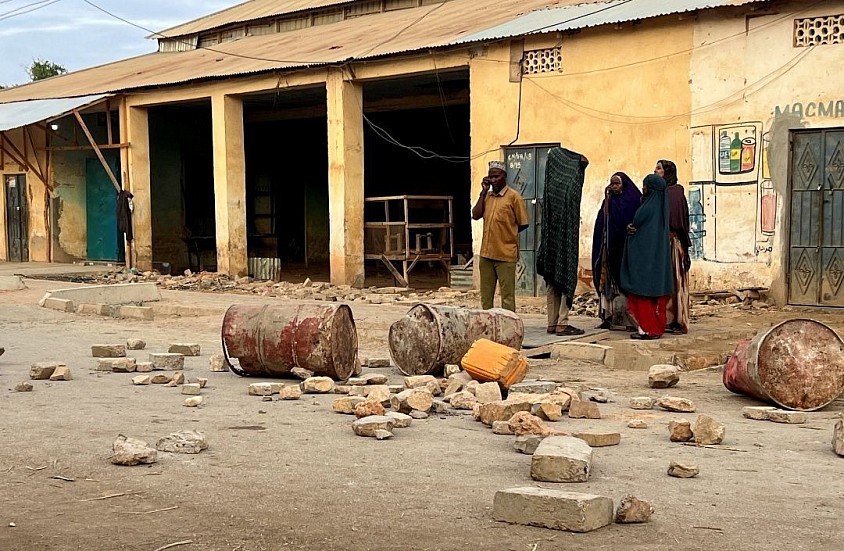
Baidoa city
Breaking News | Samuel
Somali Forces Retake Baidoa After Fierce Fighting
Somali federal forces have retaken Baidoa, the capital of the Southwest State, after fierce fighting with the armed group.
As a result, the Somali Ministry of Defense launched a dawn attack using car bombs. Government authorities killed approximately 30 attackers after repelling the attack.
Our reports indicate that clashes erupted between al-Shabaab militants and forces loyal to the former president of the Southwest State, Aziz Hassan Mohamed Laftagareen, amidst a military conflict between the government and the subsequent authorities.
Armed forces remain deployed in the city, while authorities are working to contain the situation and prevent further clashes. News reports indicate that civilians and members of the mission were among those killed.
Latest Global Political News — 17 August 2026

NEWSN7UK 🇬🇧
10:54
Monday, 17 August 2026 (BST)
Time in Bath, UK
🌍 Latest Global Political News — 17 August 2026
NEWSN7UK 🇬🇧
Here are the biggest international political developments being reported today:
🇺🇸🇮🇷 1. US–Iran peace efforts stall
The 60-day US–Iran memorandum has expired without a final agreement. Negotiations remain deadlocked, while tensions around the Strait of Hormuz continue to threaten regional security and global energy supplies. Iran is demanding major concessions, while Washington is maintaining economic and military pressure.
🇮🇱🇵🇸 2. New push for a Gaza peace agreement
US envoy Jared Kushner has held a rare meeting with Hamas representatives in Cairo and is now expected to meet Israeli Prime Minister Benjamin Netanyahu. Washington is attempting to advance a plan involving Hamas disarmament, an Israeli military withdrawal and an international stabilization force.
However, Netanyahu has rejected key elements of the proposal, while Hamas says Israeli withdrawal and an end to attacks must come first.
🇺🇸🇰🇷🇰🇵 3. Trump orders reduction in US–South Korea military exercises
President Donald Trump has ordered a substantial reduction in the annual US–South Korean Ulchi Freedom Shield exercises, arguing that the drills are expensive and can be provocative toward North Korea.
South Korea has responded cautiously, while military officials warn that reducing exercises could affect deterrence as North Korea develops increasingly sophisticated drone and cyber capabilities.
🇪🇺🇷🇺🇺🇦 4. Europe remains focused on Russia and Ukraine
European governments continue to debate stronger sanctions against Russia while Ukraine seeks diplomatic and military support. The wider Middle East conflict is also creating concerns in Europe because of its effects on energy markets, defence resources and international security.
🌏 5. Global geopolitical tensions remain high
The combination of the Iran conflict, Gaza crisis, Russia–Ukraine war and growing US–China/Russia strategic competition is creating one of the most complicated international security environments in years. Energy routes, military alliances and relations between Washington and its traditional partners are all being reassessed.
Gaza under the weight of war: a humanitarian crisis due to medical needs and air pollution
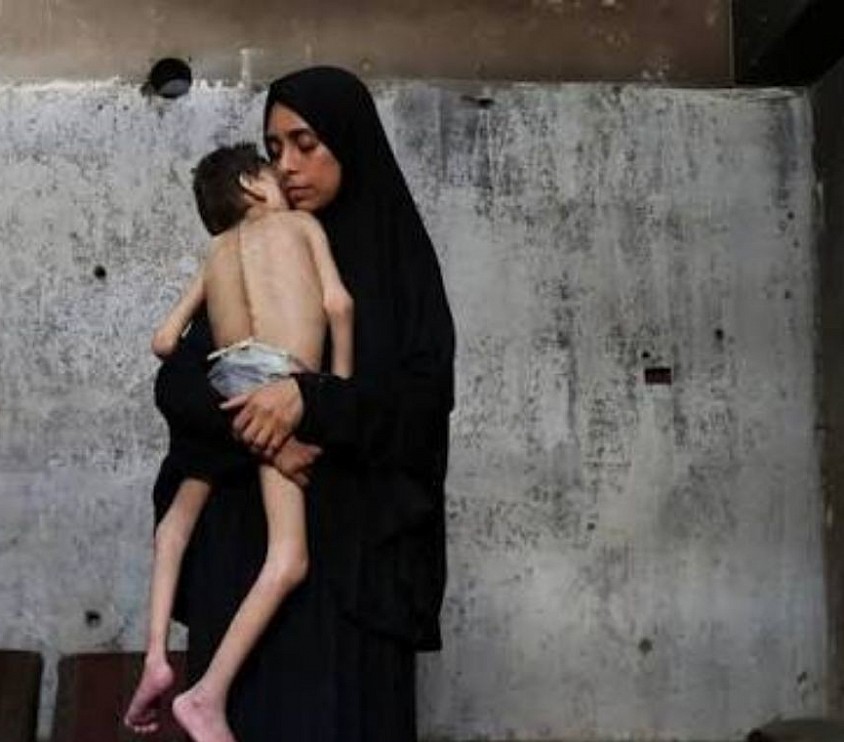
Gaza Under War: A Humanitarian Crisis of Hunger, Medical Need and Toxic Air
NEWSN7UK 🇬🇧
Gaza | Wednesday, 12 August 2026
War leaves a population fighting for food, treatment and a safe environment
The war in Gaza has created a humanitarian crisis that extends far beyond the immediate dangers of bombardment and displacement. For civilians who have survived months of conflict, the struggle increasingly involves finding enough food, accessing medical treatment, obtaining clean water and living in an environment heavily contaminated by rubble, sewage, waste and smoke.
Recent reports indicate that children remain particularly vulnerable to hunger and malnutrition, with concerns about a renewed food emergency emerging despite periods when humanitarian access improved.
Hospitals under extraordinary pressure
Gaza's healthcare system has been severely damaged by the conflict. Hospitals and medical facilities have faced destruction, shortages of medicines and equipment, limited electricity and fuel, and overwhelming numbers of patients requiring emergency treatment.
The consequences are particularly serious for people with chronic illnesses, pregnant women, children and those suffering injuries requiring surgery or long-term rehabilitation. Medical workers are also operating in extraordinarily difficult conditions while trying to maintain essential services.
For patients, treatment does not end when an injury is stabilized. Rehabilitation, prosthetic care, psychological support, infection control and treatment for chronic diseases remain essential parts of the humanitarian response.
Hunger remains a major threat
Food insecurity has become one of the defining features of the Gaza crisis.
Families have faced disrupted food supplies, damaged agricultural land, displacement and restrictions affecting humanitarian deliveries. Children are among those most exposed to the consequences of inadequate nutrition, with malnutrition capable of causing long-term effects on physical development and health.
The humanitarian situation can also deteriorate rapidly when food deliveries are interrupted. Aid agencies have warned that restrictions affecting the movement of food and medicine can place additional pressure on an already fragile humanitarian network.
Food security is also inseparable from water and sanitation. Damage to infrastructure has affected Gaza's ability to safely manage wastewater and solid waste, creating additional risks to public health.
A second crisis in the air
Less visible than hunger and injuries is another danger: pollution.
The destruction of buildings has produced an enormous quantity of rubble and dust. UNEP estimated in 2025 that around 61 million tonnes of debris had been generated, with a proportion potentially contaminated by asbestos, industrial waste and heavy metals.
The environmental consequences extend beyond rubble. Gaza's waste-management systems have been severely damaged, while shortages of fuel and cooking gas have contributed to people burning wood, plastic and other waste.
UNEP warned that burning waste, fires and fuel combustion were likely to have sharply worsened air quality, although reliable open-source air-quality monitoring has been extremely limited.
The danger is not simply unpleasant smoke. Open burning can release pollutants that damage the respiratory system and increase risks to vulnerable people, particularly children, older adults and those with existing respiratory problems. The World Health Organization has warned more broadly that open waste burning produces air pollutants harmful to health.
Dust, debris and respiratory illness
Explosions and collapsed buildings leave large quantities of fine dust in the environment. People living among damaged structures or clearing rubble can be exposed repeatedly.
A later UNEP assessment reported that explosions had generated significant quantities of dust and linked the environmental crisis to increased respiratory concerns, with more than 37,000 respiratory infection cases reported in June 2025 alone.
But the long-term consequences remain difficult to measure. Gaza lacks the extensive environmental monitoring infrastructure normally required to determine precisely what people are breathing and how exposure is changing over time.
Water, sewage and contamination
The environmental crisis is closely connected to the humanitarian crisis.
UNEP has reported severe damage to water, sanitation and wastewater infrastructure. Sewage contamination can introduce pathogens and hazardous substances into the environment, threatening drinking-water sources, agricultural land and coastal ecosystems.
The destruction of infrastructure also creates a dangerous cycle: damaged sanitation systems increase disease risks; disease places further pressure on hospitals; and hospitals themselves may struggle to operate because of shortages of electricity, fuel, medicines and clean water.
A crisis that will outlast the fighting
Even if the fighting stops, Gaza's humanitarian emergency will not end immediately.
The removal of unexploded ordnance, the identification and safe handling of contaminated debris, reconstruction of hospitals, restoration of water and sewage systems, rebuilding of homes and rehabilitation of injured people could take years.
UNEP has warned that some environmental damage could take decades to recover from and has called for urgent restoration of freshwater systems and removal of debris.
The scale of the challenge means that reconstruction cannot simply involve rebuilding buildings. Gaza will need functioning hospitals, safe drinking water, reliable sanitation, food production, waste-management systems and environmental monitoring.
The humanitarian priority
For civilians in Gaza, the crisis is interconnected: war creates injuries; damaged hospitals limit treatment; displacement disrupts access to food; hunger weakens health; destroyed infrastructure creates pollution; and pollution and poor sanitation increase the risk of disease.
The immediate humanitarian priorities are therefore clear: protecting civilians, ensuring sustained access to food and clean water, restoring medical services, providing essential medicines and fuel, improving sanitation, and reducing exposure to hazardous debris and smoke.
Behind every statistic is a person trying to survive.
For Gaza's civilians, the path to recovery will require not only an end to violence but sustained humanitarian access and a massive effort to restore the basic conditions necessary for human life.
Water, sewage and contamination
The environmental crisis is closely connected to the humanitarian crisis.
UNEP has reported severe damage to water, sanitation and wastewater infrastructure. Sewage contamination can introduce pathogens and hazardous substances into the environment, threatening drinking-water sources, agricultural land and coastal ecosystems.
The destruction of infrastructure also creates a dangerous cycle: damaged sanitation systems increase disease risks; disease places further pressure on hospitals; and hospitals themselves may struggle to operate because of shortages of electricity, fuel, medicines and clean water.
A crisis that will outlast the fighting
Even if the fighting stops, Gaza's humanitarian emergency will not end immediately.
The removal of unexploded ordnance, the identification and safe handling of contaminated debris, reconstruction of hospitals, restoration of water and sewage systems, rebuilding of homes and rehabilitation of injured people could take years.
UNEP has warned that some environmental damage could take decades to recover from and has called for urgent restoration of freshwater systems and removal of debris.
The scale of the challenge means that reconstruction cannot simply involve rebuilding buildings. Gaza will need functioning hospitals, safe drinking water, reliable sanitation, food production, waste-management systems and environmental monitoring.
The humanitarian priority
For civilians in Gaza, the crisis is interconnected: war creates injuries; damaged hospitals limit treatment; displacement disrupts access to food; hunger weakens health; destroyed infrastructure creates pollution; and pollution and poor sanitation increase the risk of disease.
The immediate humanitarian priorities are therefore clear: protecting civilians, ensuring sustained access to food and clean water, restoring medical services, providing essential medicines and fuel, improving sanitation, and reducing exposure to hazardous debris and smoke.
Behind every statistic is a person trying to survive.
For Gaza's civilians, the path to recovery will require not only an end to violence but sustained humanitarian access and a massive effort to restore the basic conditions necessary for human life.
Israel accused of “weaponising” archaeology at ancient West Bank sites
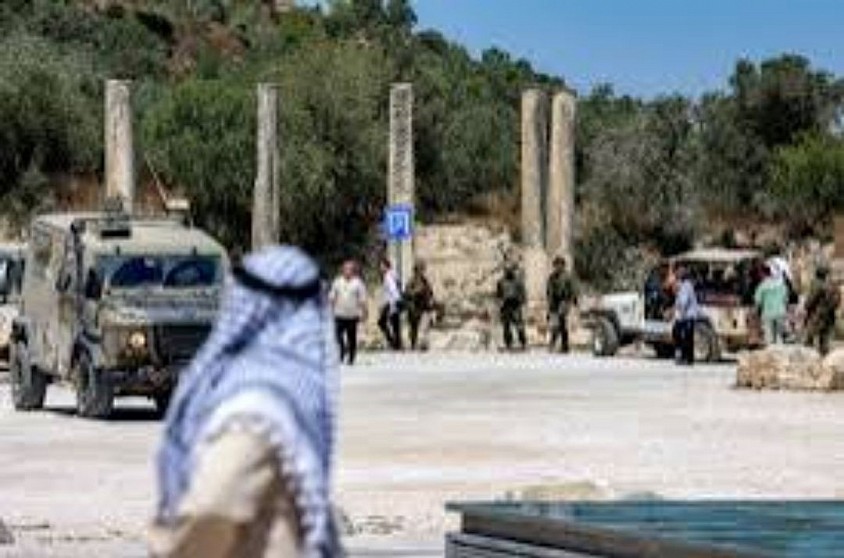
Old West Bank
Sunday, 9 August 2026 (BST)
Time in Bath, UK
- Israel accused of “weaponising” archaeology at ancient West Bank sites
NEWSN7UK 🇬🇧
Israel is facing renewed accusations that archaeology and heritage policy are being used to strengthen territorial control in the occupied West Bank. Critics point particularly to Sebastia, the site of ancient Samaria, where Palestinian landowners and researchers say excavations, heritage development and access restrictions are reshaping the historical narrative around the site.
The controversy has intensified after Israel’s parliament advanced legislation creating a dedicated Judea and Samaria Heritage Authority, giving the Israeli state a more direct role in archaeological and heritage affairs in the West Bank.
Palestinian officials have also accused Israeli authorities of recently classifying more than 140 archaeological sites and historic ruins in the Hebron area as Israeli heritage sites, including locations on privately owned Palestinian land.
The dispute reached UNESCO this summer when Sebastia was added to the World Heritage List and the World Heritage in Danger List, despite Israeli objections. Israel has argued that international heritage nominations are being politicised, while Palestinian officials say international recognition is necessary to protect the sites from appropriation.
At the heart of the dispute is a fundamental question: can ancient history and archaeology be used to shape modern territorial claims in an occupied territory?
Zelenskyy Condemns Air Defense Shortage After Deadly Russian Missile Assault
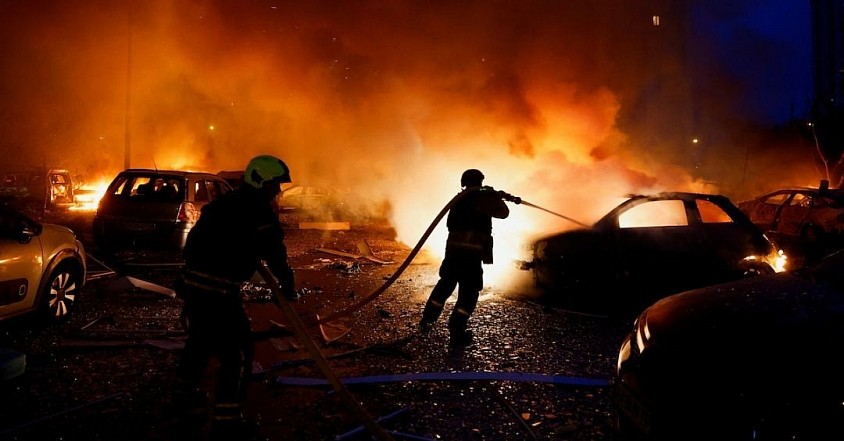
Ukraine pleads for advanced missile defenses following deadly Russian attack
Wednesday, 5 August 2026 (BST)
Time in Bath, UK
NEWSN7UK 🇬🇧| Ukraine
Volodymyr Zelenskyy has sharply criticized Ukraine's shortage of advanced anti-missile defenses after one of Russia's latest large-scale aerial attacks.
According to the Ukrainian Air Force, air defense units intercepted 98 of 115 Russian drones, but none of the missiles launched during the assault were shot down, highlighting the country's continuing vulnerability to ballistic and cruise missile strikes.
The attack killed at least 17 people and injured more than 40 others, with damage reported to civilian infrastructure in multiple locations.
President Zelenskyy urged Ukraine's international partners to accelerate deliveries of modern air defense systems, saying stronger missile defenses are essential to protect civilians and critical infrastructure from continued Russian attacks.
Ukrainian officials continue to call for additional systems such as advanced surface-to-air missile batteries and more interceptor missiles, warning that current supplies remain insufficient against the scale and intensity of Russia's aerial campaign.
Cancel the war with Iran
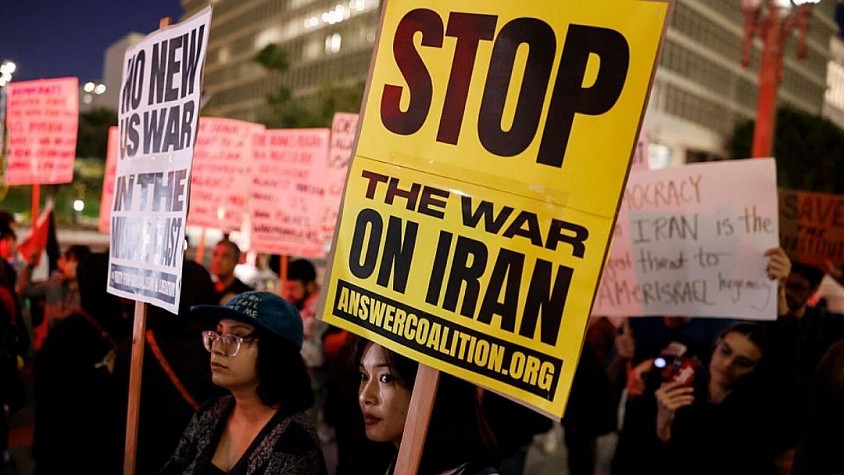
The demand to stop the war on Iran
00:13
Monday, 3 August 2026 (BST)
Time in Bath, UK
NEWSN7UK 🇬🇧
President Donald Trump announced the cancellation of planned US strikes on Iran, saying that Iran and several Middle Eastern countries had requested more time due to the development of a framework for a potential agreement. He emphasized that the military remained prepared should diplomatic efforts fail.
Media reports indicate that Trump's decision followed discussions with Saudi Crown Prince Mohammed bin Salman, who urged de-escalation and warned that any new attack could destabilize the region and threaten energy infrastructure in the Gulf.
Following the announcement, Iranian officials continued their diplomatic contacts with Saudi Arabia, Pakistan, Turkey, and other regional states as part of ongoing efforts to reduce tensions.
However, Iran has not officially confirmed that a final agreement has been reached. Some Iranian officials and media outlets have indicated that negotiations are still underway and that Trump's announcement should not be interpreted as a final peace agreement.
The situation remains highly volatile. Should negotiations fail, the US has indicated that the option of military action remains on the table.
Hamas and Palestinian Factions Agree Draft Amendment to Article 8 on Gaza Resistance Weapons
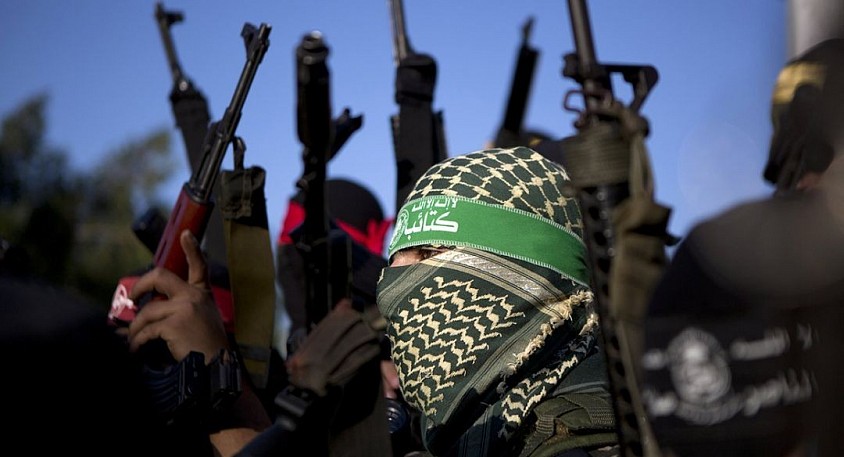
Hamas Movement | Al-Qassam Brigades
00:52
Friday, 31 July 2026 (BST)
Time in Bath, UK
NEWSN7UK 🇬🇧:
Hamas and Palestinian Factions Agree Draft Amendment to Article 8 on Gaza Resistance Weapons
CAIRO / GAZA — July 31, 2026
Palestinian sources familiar with the ongoing Cairo negotiations say Hamas and several Palestinian factions have agreed on a revised draft of Article 8, the section addressing the future of weapons held by armed groups in the Gaza Strip. The proposal is part of wider ceasefire and post-war governance discussions mediated by Egypt, Qatar, Türkiye, and other international actors.
According to the draft, the issue of resistance weapons would not be resolved through immediate disarmament. Instead, it proposes a gradual, phased process in which heavy weapons and related military infrastructure would be inventoried and placed into storage according to an agreed timetable. The process would run in parallel with an Israeli military withdrawal from Gaza and implementation of the first phase of the ceasefire agreement.
Sources indicate the draft links any further steps on weapons to reciprocal commitments, including continued Israeli withdrawals, humanitarian measures, and the establishment of a unified Palestinian civilian administration. Hamas has reportedly maintained that weapons should not be handed over directly to Israel but could be placed under a Palestinian administrative framework as part of a broader political settlement.
The proposed amendment differs from earlier international proposals that called for the complete dismantling of armed groups within six to eight months. While U.S.-backed negotiators have described recent progress as a significant breakthrough, Israeli officials have reportedly expressed reservations, saying the current draft does not fully satisfy Israel's security demands.
Negotiations remain ongoing, and no final agreement has yet been officially announced by all parties. Diplomats say further discussions are expected in the coming days to resolve remaining differences over implementation, verification mechanisms, and the future security arrangemen
ts in Gaza.
NEWSN7UK 🇬🇧: Unified Voice.
The United States and Saudi Arabia carried out coordinated airstrikes against Iraqi groups.
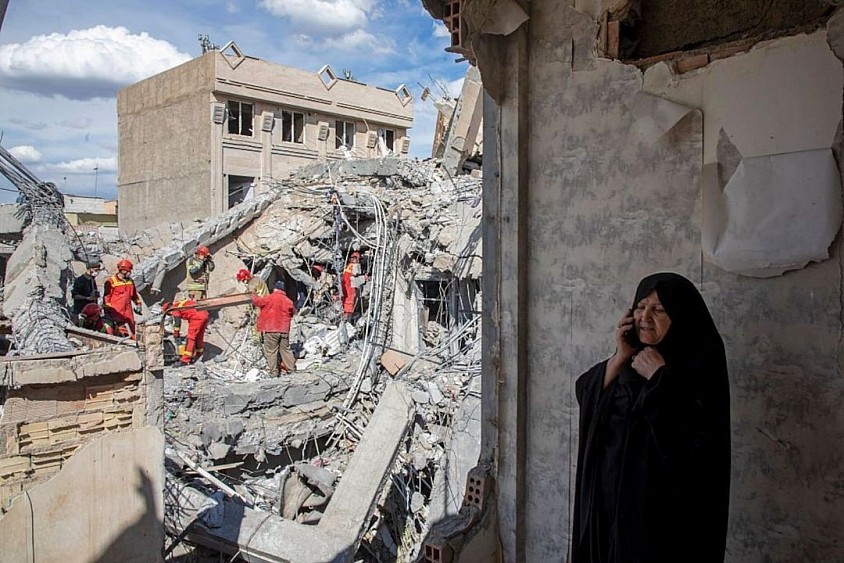
Iraq
Wednesday, 29 July 2026 (BST)
Time in Bath, UK
NEWSN7UK 🇬🇧:
The United States and Saudi Arabia launched coordinated airstrikes against armed groups allegedly backed by Iran inside Iraq, marking a dangerous escalation in the regional conflict.
What happened?
The strikes targeted bases and facilities used by Iranian-backed militias, including factions within Iraq’s Popular Mobilization Forces (PMF).
Washington said the operation was in response to attempted drone attacks against U.S. forces and Saudi energy infrastructure, which it blamed on Iranian-backed groups.
Iraqi militia sources reported at least 20 fighters killed and dozens wounded, though the casualty figures could change as more information becomes available.
The Iraqi government condemned the strikes, calling them a violation of Iraqi sovereignty and warning that they could further destabilize the region.
These attacks come amid rapidly escalating tensions between the United States, Iran, Saudi Arabia and allied armed groups across the Middle East, raising fears of a wider conflict.
Suhaib al-Kahlout Urges Caution Regarding Social Media Content

Preacher and orator from Gaza | Islamic scholar | Specialist in Islamic law
Tuesday, 28 July 2026 (BST)
Time in Bath, UK
Voices of Gaza: Suhaib al-Kahlout Urges Caution Regarding Social Media Content
NEWSN7UK 🇬🇧:
Gaza – Palestinian preacher Suhaib al-Kahlout urged the public outside Gaza to exercise caution when consuming information circulating on social media, warning that online posts do not always reflect the reality on the ground or the views of the majority of Gaza’s residents.
In a detailed public statement, al-Kahlout said that while global sympathy for Gaza has led many to closely follow voices from the Strip, it has also resulted in some social media posts being perceived as representative of all Gazans.
He explained that the destruction of institutions and the collapse of oversight mechanisms during the war have created an environment conducive to the spread of misinformation, opportunism, and unsubstantiated donation requests more easily.
Al-Kahlout stressed that not everyone claiming to represent Gaza, seeking donations, or posting emotionally charged content should be automatically considered a trustworthy source. He urged readers to carefully verify information and distinguish between documented reports and unverified claims online.
Despite these challenges, he described Gaza as a land characterized by the resilience, sacrifices, and dignity of its people, emphasizing that the reality in the Strip is far more complex than the narratives circulating on social media, which are often unrevised.
He concluded his message by urging readers to obtain news and opinions from reliable and credible sources to avoid forming distorted or misleading perceptions of the situation in Gaza.
Iran accuses Ukraine of deadly attack on ship as conflict widens
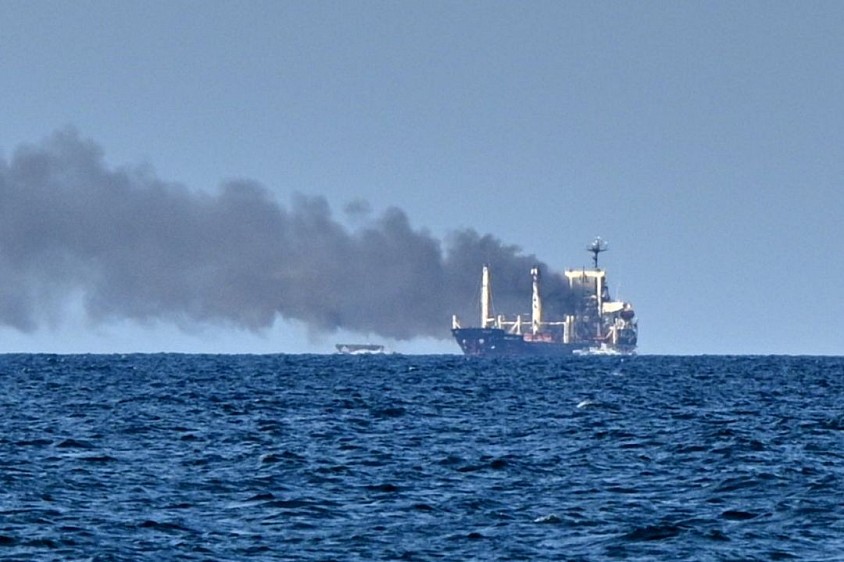
Tehran summons Ukrainian diplomat after sailor killed in Caspian Sea incident, raising fears of wider regional escalation.
Sunday, 26 July 2026 (BST)
Time in Bath, UK
- Iran condemns Ukrainian attack on Caspian Sea ship as regional tensions escalate
NEWSN7UK 🇬🇧
Headline: Iran has accused Ukraine of carrying out a deadly attack on an Iranian merchant ship in the Caspian Sea, announcing that one sailor was killed and another injured. Tehran described the incident as a “hostile and criminal act,” summoned the Ukrainian chargé d'affaires, and warned that it would defend its national interests.
Key points:
Iran says the attack targeted an Iranian merchant ship in the Caspian Sea.
According to Iranian officials, one crew member was killed and another injured.
Tehran lodged a formal diplomatic protest against Ukraine.
This incident comes amid escalating regional tensions involving Iran, Russia, Ukraine, and the Middle East.
Analysts warn that the confrontation could further complicate the broader regional security situation.
Latest political updates on Gaza/Israel Thursday, 23 July 2026
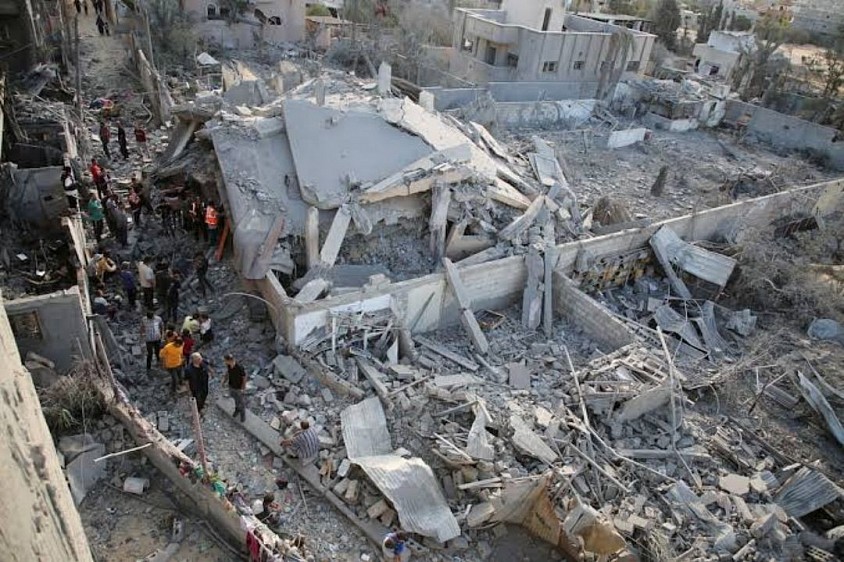
Gaza🇵🇸
Thursday, 23 July 2026 (BST)Time in Bath, UK
Latest political updates on Gaza/Israel
NEWSN7UK 🇬🇧
Here are the latest key political developments:
No breakthrough in ceasefire negotiations: There has been no announced political agreement to end the war. Discussions involving international mediators continue, but major differences remain over a lasting ceasefire, hostages, Israeli military operations, and the future governance of Gaza.
Humanitarian and reconstruction efforts: The European Union and partner countries have announced a $1 billion recovery initiative intended to help clear debris and restore essential services such as water and other basic infrastructure once conditions allow.
International political pressure: Governments and international organizations continue to debate the future administration of Gaza and humanitarian access, while the issue remains on the agenda of the UN Security Council.
Political debate abroad: In the United States, New York City Mayor Zohran Mamdani has renewed calls for the U.S. government to enforce the International Criminal Court's arrest warrant for Israeli Prime Minister Benjamin Netanyahu if he visits the U.S. He acknowledged that he has no legal authority to act himself.
Situation on the ground: Fighting and Israeli military operations continue in parts of Gaza, while humanitarian organizations warn that civilians remain under severe pressure due to ongoing hostilities and limited access to aid.
HAMAS APPOINTS KHALIL AL-HAYYA AS NEW LEADER
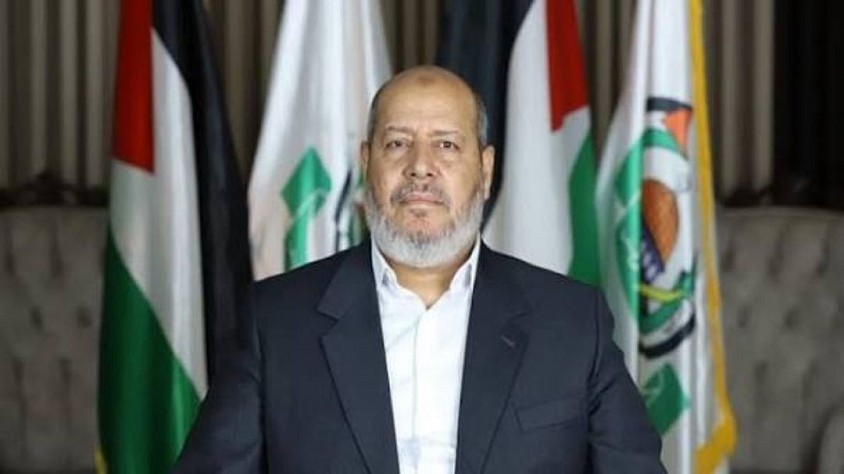
Khalil al-Hayya, member of the Palestinian Legislative Council, head of the Islamic Hamas movement
22:03
Tuesday, 21 July 2026 (BST)Time in Bath, UK
NEWSN7UK 🇬🇧
- HAMAS APPOINTS KHALIL AL-HAYYA AS NEW LEADER
Hamas has announced the appointment of Khalil al-Hayya as its new overall leader, following an internal leadership process. The decision comes after a prolonged period in which the group was led by a temporary leadership council following the deaths of senior Hamas figures, including Yahya Sinwar.
Al-Hayya, 65, is one of Hamas's longest-serving political leaders. Born in Gaza in 1960, he has held senior positions within the movement for many years and has been a key member of its political bureau. In recent years, he became Hamas's chief negotiator in indirect ceasefire and hostage talks involving mediators from Qatar and Egypt.
According to Hamas, Al-Hayya received overwhelming backing during the leadership vote. He is expected to formally assume his new role as the organisation restructures its political leadership in the coming days.
His appointment comes amid the continuing conflict in Gaza and ongoing diplomatic efforts to secure a ceasefire and hostage-prisoner agreement. Analysts say the leadership change is likely to influence Hamas's political strategy and future negotiations, although it remains unclear whether it will result in any immediate shift in the group's policies.
